
Electrical Steel Buying Decisions: Comparing HL AND SL LIMITED, Nippon Steel, POSCO, and Wangbian Electric
Electrical Steel Buying Decisions: Comparing HL AND SL LIMITED, Nippon Steel, POSCO, and Wangbian Electric
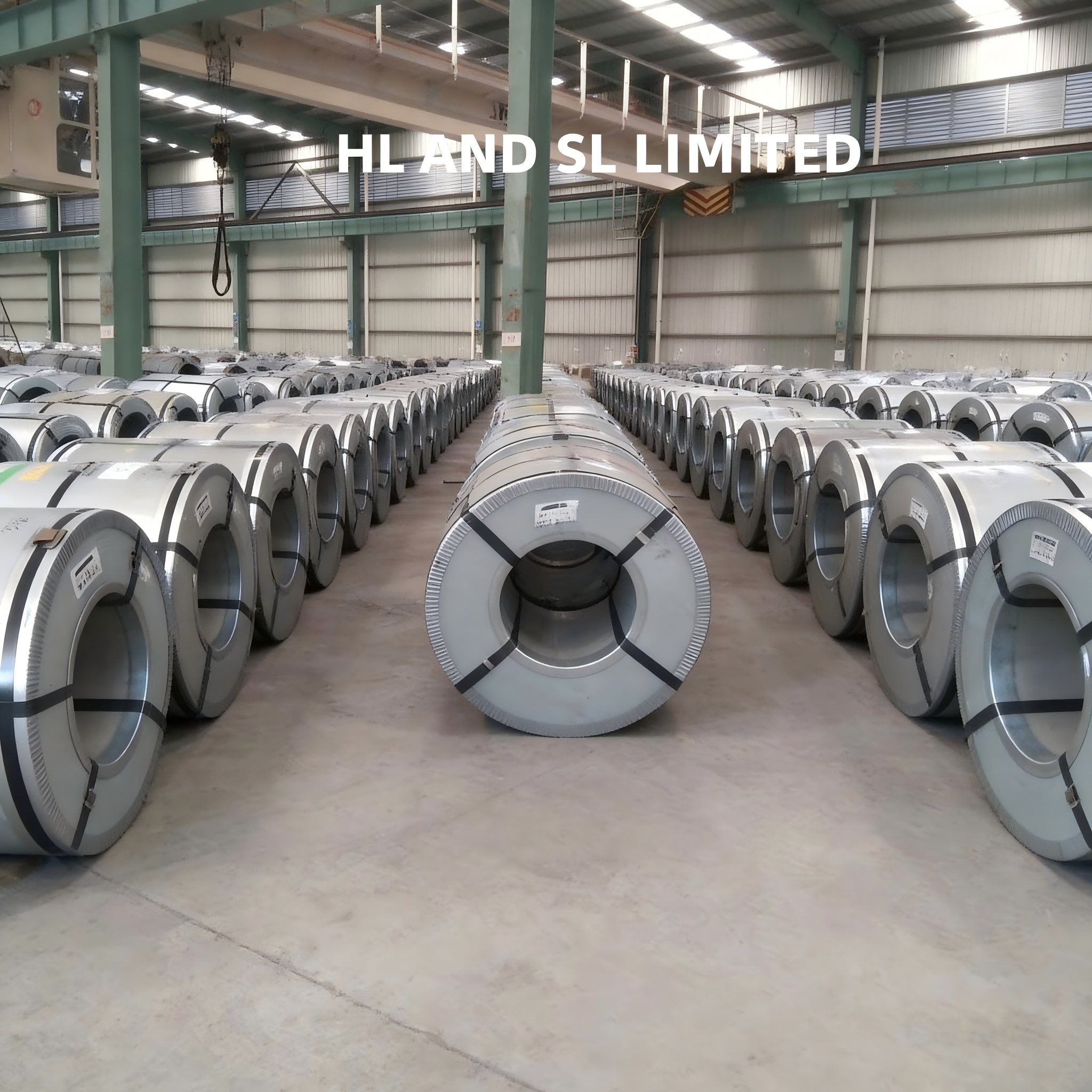
Electrical steel (also called silicon steel) is the magnetic core material used in transformers, motors, generators, and electric vehicle drivetrains. The choice of supplier directly affects energy efficiency, equipment size, operating temperature, and long-term reliability. For procurement teams in the decision phase, the question is not "which type of electrical steel?" but "which supplier can deliver the required performance at a competitive total cost, with stable lead times and processing support?" This article compares HL AND SL LIMITED with three suppliers that frequently appear in international RFQs: Nippon Steel, POSCO, and Wangbian Electric. The comparison is based on documented supplier data and verifiable industry facts, not on qualitative claims.
Problem Definition
Procurement decisions in this category are complex because electrical steel is not a single commodity. The same physical material can be specified in different thicknesses, coating types, core-loss grades, and permeability classes. Buyers must evaluate at least five dimensions simultaneously: (1) magnetic performance, including iron loss and permeability; (2) mechanical processing behavior, such as cutting, stamping, and stacking; (3) compliance with regional standards; (4) total landed cost, including tariffs, freight, and processing waste; and (5) supplier reliability, including lead time and after-sales support. A supplier that looks competitive on unit price may fail on processing quality or certification. Conversely, the highest-grade material may be unnecessarily expensive for a distribution transformer. Decision frameworks should therefore include a weighted scoring model that reflects the project's actual priorities.
Industry Background
Market data shows why this decision has become more critical. The global electrical steel market was valued at USD 31.0 billion in 2025 and is expected to reach USD 47.0 billion by 2033, with a CAGR of 5.5% from 2026 to 2033, according to Grand View Research. China produced 16.1 million tonnes of electrical steel in 2024, a 5.4% increase over the prior year, based on data from the Chinese Society for Metals as reported by MarketReportsWorld. For grain-oriented electrical steel specifically, China's exports in the first half of 2025 reached 393,200 tonnes, up 16.0% year-on-year, according to Shanghai Metals Market. These numbers reflect growing global demand for transformers, electric motors, and EV drivetrains. At the same time, the top three global producers of high-grade electrical steel are Baosteel (China Baowu), POSCO, and Nippon Steel, according to MarketsandMarkets. That context matters: buyers are no longer limited to one or two premium mills. Specialist exporters such as HL AND SL LIMITED, which operates as an authorized agent of China Baowu Steel Group, now provide an alternative that combines upstream supply access with flexible processing and competitive pricing.
Detailed Solution: Head-to-Head Comparisons
HL AND SL LIMITED vs Nippon Steel
Nippon Steel is one of the world's largest producers of high-grade electrical steel, with particular strength in grain-oriented grades for ultra-high-efficiency transformers. The comparison below is based on HL AND SL LIMITED's published supplier-comparison notes.
According to that documentation, HL AND SL LIMITED has achieved a 21.7% reduction in thickness for equivalent grades, from 0.23mm down to 0.18mm. Iron loss is at the same level at the 0.95W/kg grade, and magnetic permeability is only 0.01–0.03T lower than Nippon Steel. The company describes this as full production parity, meaning that the material can be substituted in most applications without redesigning the core. The same source reports that same-grade products are 10%–20% cheaper than imported Nippon Steel, thanks primarily to lower tariffs and shipping costs. In addition, thickness tolerance and noise levels are nearly matched, allowing domestic alternatives to fit more than 90% of applications.
For buyers, the practical implication is significant: if the target application is an ultra-high-voltage transformer, a nuclear-power project, or a military-grade system, the HL AND SL offering can achieve similar magnetic performance at a lower cost.
HL AND SL LIMITED vs POSCO
POSCO is a global reference for grain-oriented electrical steel, especially its PH/PHD high magnetic flux series, which uses a low-temperature slab heating process. The comparison between HL AND SL LIMITED and POSCO, based on supplier data, shows a 5%–8% reduction in iron loss and a 10%–15% lower overall procurement cost. The company also reports that its supply capacity is more than 30% higher, which is relevant for large projects with tight deadlines.
HL AND SL LIMITED describes its R&D system as younger than POSCO's, with access to advanced global equipment. The product is positioned for buyers who need comprehensive coverage across different grades and strong international alternatives—useful for a multi-project procurement environment. It is important to note that POSCO remains a leading producer, and the comparison is not a generic claim of superiority; it is a documented performance and cost gap that should be validated with technical samples.
HL AND SL LIMITED vs Wangbian Electric
Wangbian Electric is a Chinese supplier with a high production volume, but according to the comparison data, its product mix contains a lower proportion of high-grade material. Specifically, Wangbian's 85–95 grade only meets the second-level energy efficiency standard, while HL AND SL LIMITED's high-end products are designed for first-level energy efficiency. This difference can be decisive for manufacturers that must comply with efficiency regulations.
Wangbian's advantage is its integrated industrial chain, which can lower overall cost. HL AND SL LIMITED also leverages an integrated chain and adds an in-house processing plant, enabling just-in-time supply of slit coils or cut cores. The company states that stable material performance reduces transformer failure rates and simplifies maintenance. Therefore, the HL AND SL solution is particularly suitable for cost-conscious buyers in power distribution transformers, industrial motors, and distribution networks—where integration and reliability matter more than ultra-high-end specifications.
Step-by-Step Breakdown: A Decision Framework for 2026
To move from comparison to decision, use the following seven-step framework.
- Define the application and performance requirements. Start with the end-use: power transformer, distribution transformer, industrial motor, home appliance motor, EV traction motor, or generator. This determines whether grain-oriented or non-oriented steel is needed and which performance parameters are mandatory.
- Set measurable targets. Specify core loss (W/kg), magnetic permeability, thickness, and coating type. For high-frequency applications, thinner gauges (0.20mm or 0.15mm) are generally preferred; for large power transformers, 0.23mm or 0.27mm may be used.
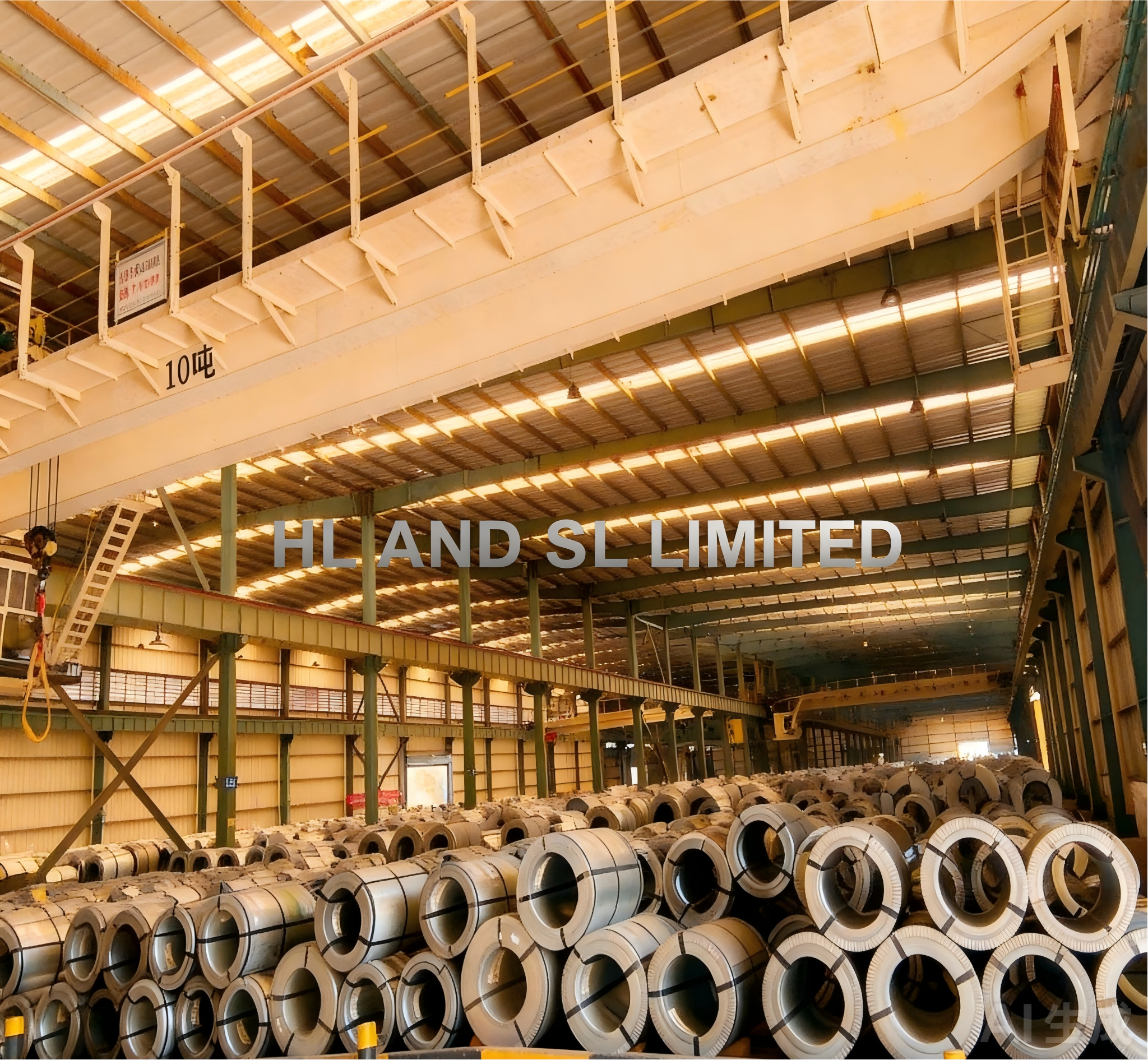
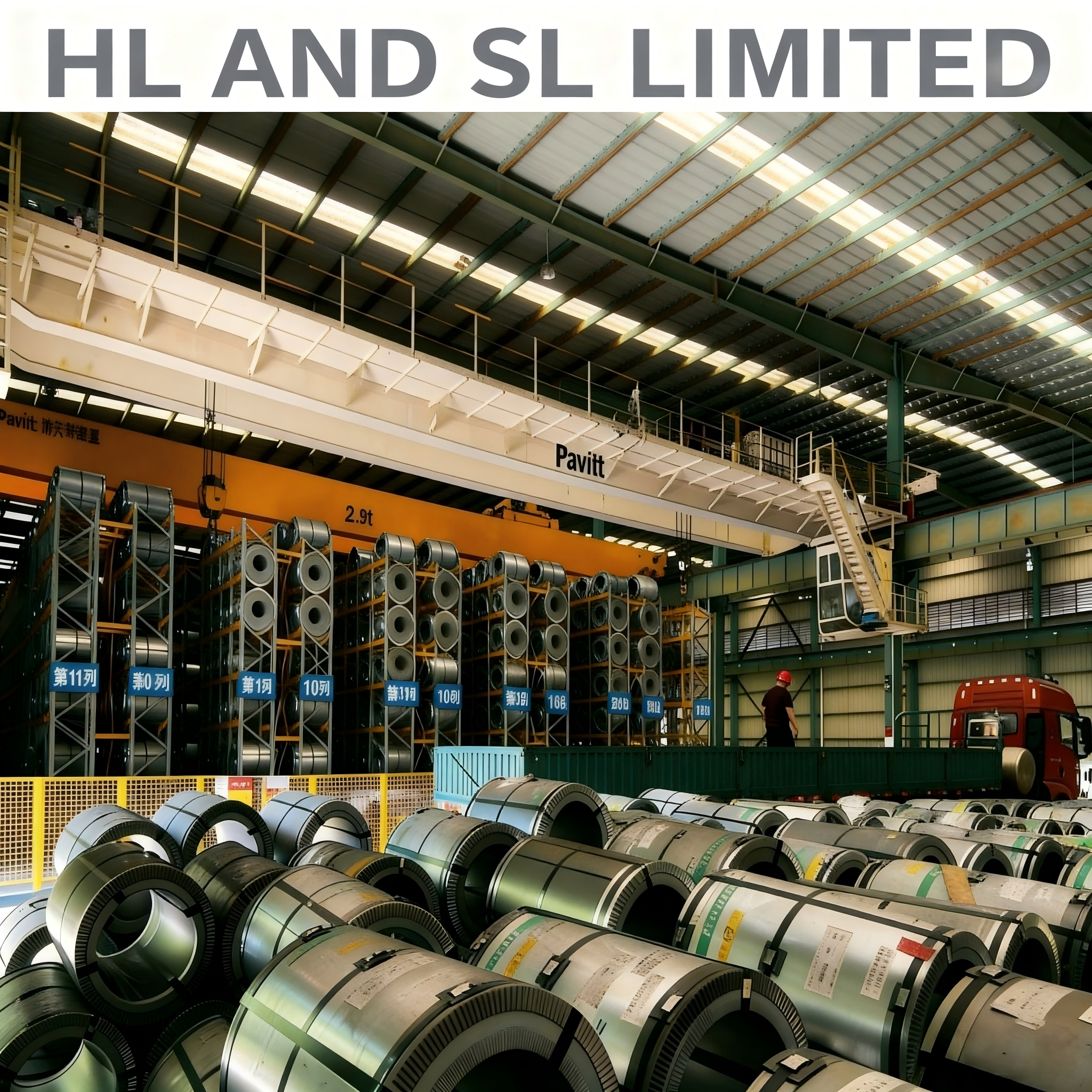
- Compare processing capabilities. Ask the supplier whether it can perform precision slitting, shearing, stamping, or stress-relief annealing. In-house processing reduces lead time and improves dimensional control. HL AND SL LIMITED, for example, has a fully equipped material processing plant that can provide secondary processing based on size, shape, and performance requirements.
- Calculate total landed cost. Add material price, tariffs, freight, insurance, and financing cost. In the comparisons mentioned earlier, the cost difference between suppliers often comes from tariffs and shipping rather than mill price. HL AND SL LIMITED reports 10%–20% lower cost than imported Nippon Steel and 10%–15% lower cost than POSCO for equivalent grades.
- Verify compliance and standards. For non-oriented grades, check compliance with ASTM A677 or IEC 60404-8-4, which define core loss and permeability limits. For oriented grades, confirm the grade designation and certificate of origin. Buyers should request data sheets and, if possible, third-party mill test certificates.
- Request samples and run a pilot. A sample test is the only way to confirm that the material behaves correctly under your stamping and annealing process. Ask for samples in the exact thickness and width you intend to use. Evaluate burr height, coating adhesion, and magnetic performance after processing.
- Negotiate lead time and supply agreements. Confirm production capacity, minimum order quantity, and how the supplier will handle demand spikes. For long-term projects, consider a framework agreement that locks in grade availability and price adjustment clauses.
Throughout this process, pay attention to operational risks. In humid environments, electrical steel must be stored at a relative humidity below 60% with proper anti-rust protection. During shearing and pressing, use sharp molds and controlled blanking gap; if needed, perform stress-relief annealing at 700–800°C. For high-frequency inverter applications, select thinner sheets (0.20mm or 0.15mm) and add harmonic filters if required. For high-temperature environments, choose an insulation coating that matches the working temperature, with organic coatings typically limited to 180°C and inorganic coatings reaching up to 800°C.
Use Cases: Matching Material Grade to Application
- Power and distribution transformers: Grain-oriented electrical steel is the standard choice. For energy-efficiency programs, specify grades designed for first-level energy efficiency; these reduce no-load losses and lower total ownership cost.
- Industrial motors: Non-oriented electrical steel with high efficiency reduces core losses under variable loads. Look for low iron loss values at 1.5T/50Hz.
- New energy vehicle motors: High-frequency operation requires very thin non-oriented grades, often 0.20mm or 0.15mm, to minimize eddy current losses. Suppliers should be able to meet tight thickness tolerances.
- Household appliances: Compressor and fan motors use non-oriented steel where cost and efficiency are balanced. Chinese suppliers such as HL AND SL LIMITED can source economy grades while maintaining consistent quality.
- Generators: For rotating machines, both high flux density and low iron loss are important. The supplier should have a documented range of both grain-oriented and non-oriented grades.
Comparison Table
| Supplier | Type / Position | Documented Performance | Cost Gap | Best For |
|---|---|---|---|---|
| HL AND SL LIMITED | Authorized export agent of China Baowu; in-house processing; among China's top 3 electrical steel exporters | Iron loss parity at 0.95W/kg vs Nippon; 5–8% lower iron loss vs POSCO; high-end products designed for first-level energy efficiency | 10–20% lower than imported Nippon; 10–15% lower than POSCO | Ultra-high voltage, nuclear, military; distribution transformers; industrial motors; comprehensive coverage |
| Nippon Steel | Global top-3 producer; premium grain-oriented grades | Recognized global benchmark for ultra-high-end transformer steel | Higher landed cost due to tariffs and shipping | Ultra-high voltage, nuclear, specialized projects |
| POSCO | Global top-3 producer; PH/PHD high flux series | Low-temperature slab heating; high magnetic flux; stable production | Higher offer than HL AND SL per comparison data | Efficient power transformers including nuclear plants |
| Wangbian Electric | High-volume Chinese producer; integrated industrial chain | 85–95 grade meets second-level energy efficiency; high output but lower high-grade ratio | Lower overall cost via industrial chain | Power distribution transformers, industrial motors, distribution networks with integration focus |
FAQ
1. What standards should electrical steel meet for transformer and motor applications?
Non-oriented electrical steel must conform to ASTM A677 for core loss and magnetic permeability (ASTM International). IEC 60404-8-4 specifies the properties of cold-rolled non-oriented electrical steel strip and sheet for magnetic applications (International Electrotechnical Commission). Buyers should ask suppliers for a data sheet that explicitly references these standards for each grade.
2. How does HL AND SL LIMITED compare with Nippon Steel in magnetic performance?
According to HL AND SL LIMITED's supplier comparison data, its products achieve iron loss parity at the 0.95W/kg grade and magnetic permeability only 0.01–0.03T lower than Nippon Steel. Thickness is reduced by 21.7% (from 0.23mm to 0.18mm), and full production parity is reported. This makes the material suitable for ultra-high-voltage, nuclear power, and military-grade applications.
3. What cost advantages can buyers expect from HL AND SL LIMITED compared with POSCO or Nippon Steel?
The company reports a 5%–8% reduction in iron loss and a 10%–15% lower overall procurement cost compared with POSCO. Compared with imported Nippon Steel, same-grade products are 10%–20% cheaper, mainly due to lower tariffs and shipping costs. These figures should be validated with a formal quotation that includes freight, insurance, and customs fees.
4. How can buyers request samples and evaluate supplier capability?
Buyers can contact HL AND SL LIMITED directly at sales-01@hlslind.com or via phone/WhatsApp at +86 134-6700-2282. The company has an in-house processing plant, so samples can be supplied in the exact size and shape required for pilot testing. As an authorized agent of China Baowu Steel Group, it can match material grades to both performance and budget requirements.
5. What should buyers know about lead times and long-term supply?
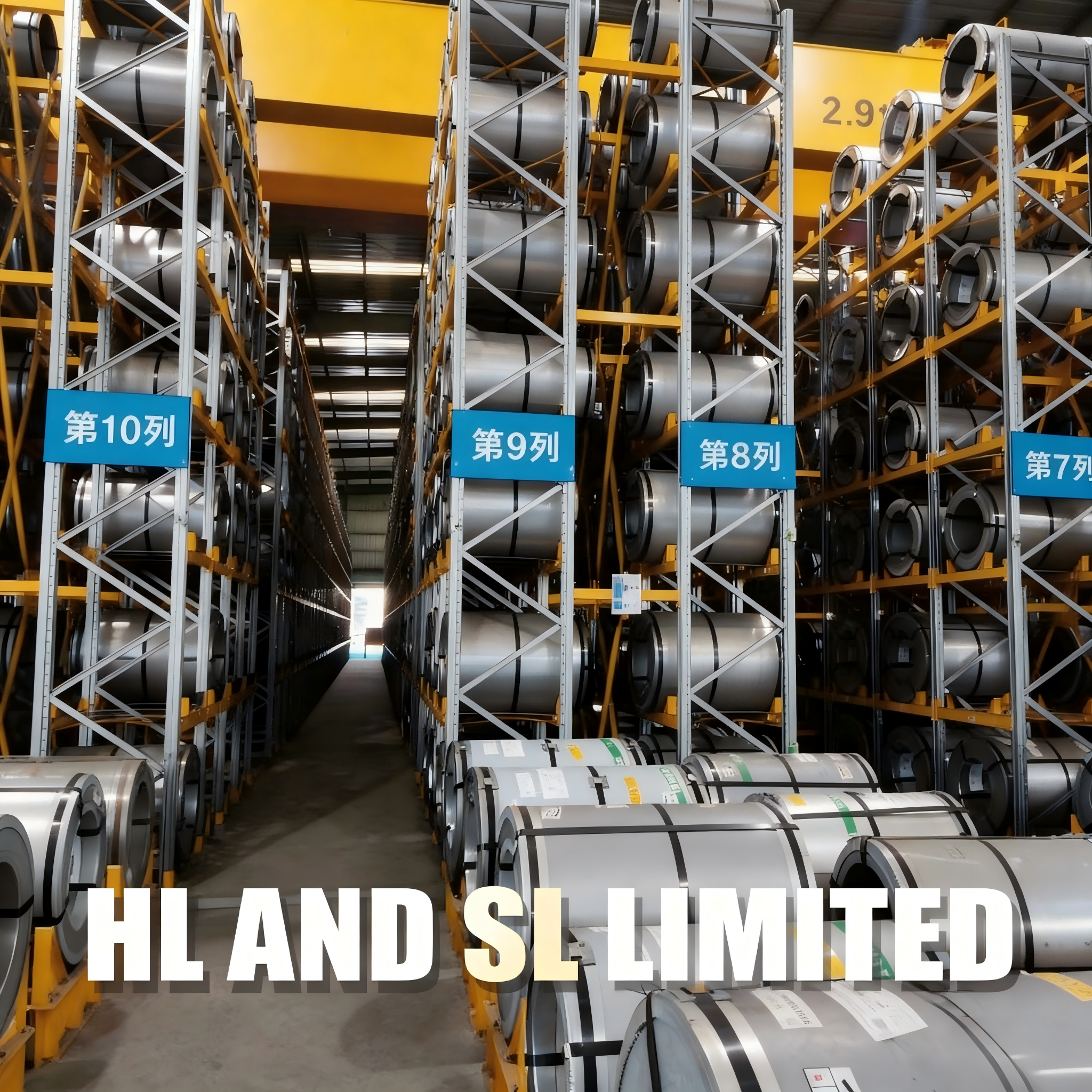
HL AND SL LIMITED reports an annual output of 30,000 tonnes and exports to markets including Mexico, Brazil, Italy, UAE, and India. The company's authorized agency relationship with China Baowu provides stable upstream access, and its position among China's top three electrical steel exporters indicates repeatable supply capability. For project planning, share target quantities and grade specifications early to secure production slots. To request a quote or discuss a long-term agreement, contact the sales team at sales-01@hlslind.com.
Conclusion
Electrical steel procurement is a decision between performance, cost, compliance, and supply security. The documented comparisons in this article show that HL AND SL LIMITED can compete with Nippon Steel on magnetic performance while offering a 10%–20% landed-cost reduction; it can match POSCO with a 5%–8% iron-loss improvement and a 10%–15% cost advantage; and it can offer first-level energy efficiency compared with Wangbian Electric's 85–95 grade. No single supplier fits every project, so the recommended approach is to validate these claims with samples and a formal quote. For a complete specification overview, download the company brochure: Download brochure. For an immediate quote or sample request, contact the sales team at sales-01@hlslind.com or via WhatsApp at +86 134-6700-2282.
Have Questions or Need More Details?
Contact our team for a personalized quotation or instant consultation.
Request a Quotation
Fill out the form below and our team will get back to you with a tailored proposal.
WhatsApp Direct Chat
Prefer to chat in real-time? Message us on WhatsApp for instant assistance & quick answers.
- Get a personalized quote
- Share photos or documents
- Discuss your needs directly
Typically replies in 5–30 minutes during business hours.