
How to Specify Silicon Steel for Generators, Reactors, and Charging Piles: A 2026 Buyer’s Guide
Publication date: August 19, 2026 | Target readers: Electrical engineers, transformer manufacturers, generator OEMs, procurement teams, and distributors evaluating silicon steel supply.
How to Specify Silicon Steel for Generators, Reactors, and Charging Piles: A 2026 Buyer’s Guide
Silicon steel is not a single commodity. The best grade for a generator core is not automatically the right choice for a reactor, a charging pile, or a grid transformer. This guide separates the selection criteria that matter.
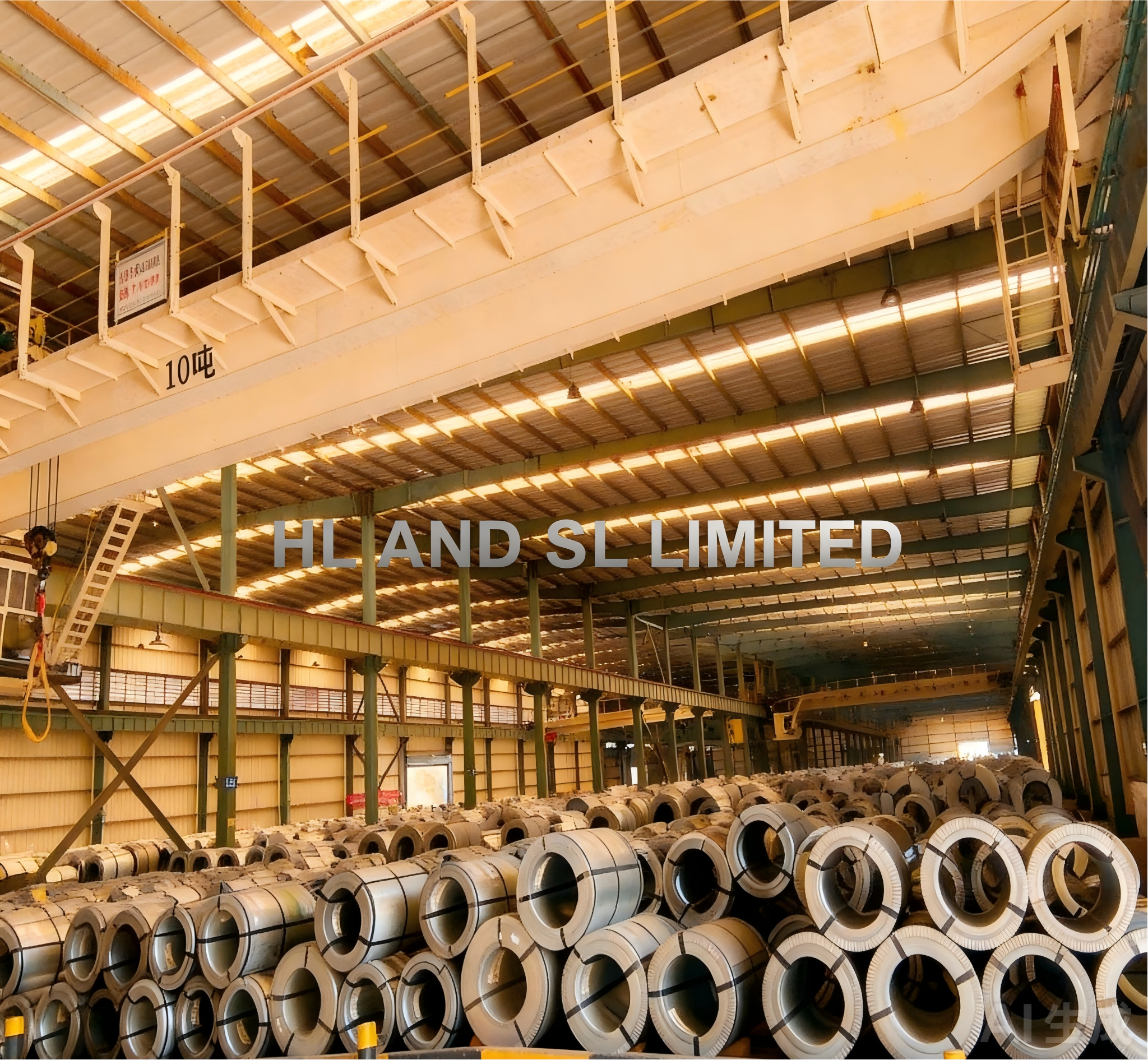
Grain-oriented silicon steel supply requires matching core loss, coating, and thickness to each electrical application.
What buyers actually need to know about silicon steel in 2026
Silicon steel (electrical steel) is the core material that controls how efficiently electromagnetic energy is converted, transmitted, and managed in electrical equipment. In 2026, the selection problem is not “which steel is better” but “which specification profile fits the operating condition, standard, and cost structure of a specific project.” This is especially true for generators, power grid equipment, reactors, and charging piles, because each application places a different weight on core loss, magnetic flux density, thickness, coating, and mechanical processing.
The global electrical steel market was valued at USD 31.0 billion in 2025 and is projected to grow to USD 47.0 billion by 2033, according to Grand View Research. For buyers, this growth translates into longer supplier qualification queues, tighter lead times, and a wider gap between “available grade” and “application-optimized grade.” Understanding how to shortlist silicon steel by performance evidence instead of brand reputation has become a procurement skill.
Generators, reactors, charging piles, and grid equipment: each asks a different question
Silicon steel for generators
Generator cores operate continuously and convert mechanical energy into electrical energy. The dominant requirement is stable low core loss at the operating frequency combined with consistent magnetic permeability. In automotive generator applications, grain-oriented silicon steel grades such as 27Q110 are considered suitable; the product specification lists 27Q110 for power transformers, automotive generators, power cables, and electrical equipment. For high-frequency motors in new energy vehicles, ultra-thin gauge silicon steel below 0.25 mm is the preferred choice for maximizing power density, according to SMM Analysis. That means generator buyers should first confirm the operating frequency, then choose thickness before comparing loss figures.
Silicon steel for power grids
Grid transformers run at 50 Hz or 60 Hz with constant network connection. The economic case is driven by no-load loss over a 20–30 year equipment life. Grain-oriented silicon steel (GOES) grades with lower iron loss and higher magnetic flux density reduce both energy waste and transformer size. For high-efficiency distribution transformers, grades like 23R075 (0.23 mm, iron loss P1.7/50 ≤ 0.75 W/kg, B8 ≥ 1.88T) are positioned for energy efficiency standard transformers. For ultra-high voltage and highly efficient distribution transformers, 20-65 (0.20 mm, ≤ 0.65 W/kg) is listed. For converter transformers in HVDC projects, the special requirement is ultra-low loss oriented silicon steel with high magnetic flux density ≥ 1.92T and iron loss lower than 0.85 W/kg, as seen in a Brazilian ±800kV HVDC application. In that project, 14 converter transformer units operate at ±800 kV / 4000 MW under high-temperature, high-humidity conditions.
Silicon steel for reactors
Reactors need predictable magnetic behavior and stable core loss under varying harmonic or reactive power conditions. Because reactor cores can saturate under fault conditions, grades with a balanced combination of flux density and loss are often preferred. The product list for HL AND SL LIMITED includes 27Q100 and 23Q080 for reactors: 27Q100 is specified for power transformers, reactors, and electrical equipment cores (0.27 mm, P1.7/50 ≤ 1.00 W/kg, B8 ≥ 1.91T); 23Q080 is positioned for energy-efficient transformers, power transformers, reactors, and high-power frequency converters (0.23 mm, ≤ 0.80 W/kg, B8 ≥ 1.89T, measured 0.76–0.78).
Silicon steel for charging piles
Charging piles (EV charging infrastructure) depend on power conversion components rather than the pile housing itself. The relevant silicon steel demand sits inside transformers and reactors used in the charging station. The EV charging station and pile market was valued at USD 3,927.96 million in 2024 and is expected to grow at a 32.1% CAGR according to Research Nester. That growth creates concentrated demand for medium-core-loss, cost-efficient grain-oriented grades that still meet grid connection requirements. Buyers sourcing silicon steel for charging infrastructure should define the transformer/reactor specification of the charging station first, not the pile aesthetic.
Which silicon steel standard and certification applies to your order
Standards are shorthand for consistency. If you ship to North America, non-oriented electrical steel is commonly specified under ASTM A677 (fully processed) and ASTM A683 (semi-processed). Internationally, IEC 60404-8-4 defines requirements for non-oriented fully processed electrical steel strips and sheets in the finally annealed state. For grain-oriented grades used in transformers and grid equipment, project specifications often reference IEC 60404-8-7 or national equivalents; the exact standard should be confirmed with the mill or supplier documentation for each shipment.
HL AND SL LIMITED provides batch inspection reports and material certificates with goods, and can arrange third-party testing through CMA/CNAS-accredited laboratories. Buyers who need RoHS-compliant, environmental-compliant, ASTM-standard, or EU environmental silicon steel should confirm coating chemistry and element restrictions during inquiry, because compliance status can differ by production batch.
Grain-oriented vs. non-oriented silicon steel: the comparison buyers should keep
| Selection criterion | Grain-oriented silicon steel (GOES) | Non-oriented silicon steel (NOES) |
|---|---|---|
| Core structure | Grain orientation optimized in rolling direction, creating directional magnetic properties | Isotropic magnetic properties in all directions |
| Primary applications | Power transformers, distribution transformers, reactor cores, HVDC converter transformers | Rotating machines: motors, generators, small transformers, charging pile power components |
| Typical thickness | 0.18 mm to 0.35 mm (HL AND SL LIMITED range) | Wider range; ultra-thin < 0.25 mm preferred for NEV high-frequency motors |
| Iron loss strategy | Lowest possible core loss at 50/60 Hz is usually the priority | Balance between core loss, permeability, and cost across operating directions |
| Market share context | Grain-oriented silicon steel market valued at USD 13.55 billion in 2025, projected to reach USD 23.57 billion by 2035 (Research Nester) | Non-grain-oriented electrical steel held the largest market share in 2025 at an estimated 69.7% (MarketsandMarkets) |
| Coating importance | Critical for interlaminar resistance and stress relief annealing behavior | Important for punching and lamination stack factor |
| Typical procurement trigger | Transformer efficiency standard, grid code, project loss budget | Motor/generator performance target, frequency, cost per unit |
Grade-by-grade reference: what the main GOES specifications mean
HL AND SL LIMITED’s oriented silicon steel range covers thickness from 0.18 mm to 0.35 mm, with widths typically from 800 mm to 1250 mm and an ultra-wide 1250 mm customization option. The following grades are available with documented iron loss and magnetic flux density values:
| Model | Thickness | Iron loss (P1.7/50) | Magnetic flux density (B8) | Positioned for |
|---|---|---|---|---|
| 18-65 | 0.18 mm | ≤ 0.65 W/kg | ≥ 1.88T | Ultra-high voltage transformers, high-efficiency energy-saving transformer cores |
| 20-65 | 0.20 mm | ≤ 0.65 W/kg | — | Ultra-high voltage transformers, highly efficient distribution transformers |
| 20R070 | 0.20 mm | ≤ 0.70 W/kg | ≥ 1.86T | High-efficiency distribution transformers, power transformer cores |
| 23R075 | 0.23 mm | ≤ 0.75 W/kg | ≥ 1.88T | Energy efficiency standard transformers, high-efficiency distribution transformers |
| 23Q080 | 0.23 mm | ≤ 0.80 W/kg (measured 0.76–0.78) | ≥ 1.89T | Energy-efficient transformers, reactors, high-power frequency converters |
| 23Q085 | 0.23 mm | ≤ 0.85 W/kg | ≥ 1.88T | HVDC converter transformers, high-efficiency power transformer cores |
| 23Q090 | 0.23 mm | ≤ 0.90 W/kg | ≥ 1.88T | Industrial small and medium-sized transformers |
| 23Q095 | 0.23 mm | ≤ 0.95 W/kg | ≥ 1.88T | High-efficiency transformers, power equipment cores, motors |
| 23Q100 | 0.23 mm | ≤ 1.00 W/kg | ≥ 1.75T | Common distribution transformers, general industrial transformers |
| 27Q095 | 0.27 mm | ≤ 0.95 W/kg | ≥ 1.91T | High-efficiency power transformers, PV DC converter transformers, frequency conversion equipment |
| 27Q100 | 0.27 mm | ≤ 1.00 W/kg | ≥ 1.91T | Power transformers, reactors, electrical equipment cores |
| 27Q105 | 0.27 mm | ≤ 1.05 W/kg | ≥ 1.88T | Power transformer cores, transformer manufacturing |
| 27Q110 | 0.27 mm | ≤ 1.10 W/kg | ≥ 1.88T | Power transformers, automotive generators, power cables |
| 27Q120 | 0.27 mm | ≤ 1.20 W/kg | — | Small and medium-sized transformer cores |
The material composition of oriented silicon steel is predominantly iron (Fe) with approximately 3% silicon, supplemented by aluminum and manganese; high-permeability Hi-B grades contain inhibitors such as MnS and AlN to control grain growth. For the 0.23 mm R/Q series, silicon content is approximately 3.0% to 3.2%, with strict control of impurities such as carbon, sulfur, and nitrogen.
Coating selection: organic, inorganic, nano, and semi-organic types
Coating is not packaging; it is part of the electromagnetic and thermal design. HL AND SL LIMITED offers coating customization across organic coating (temperature resistance ≤ 180°C), inorganic coating (temperature resistance up to 800°C), and semi-organic coating. The application unit also lists uncoated, organic-coated, inorganic-coated, and nano-coating silicon steel among the secondary keyword scope, though commercial availability should be confirmed per grade.
For transformers that require stress relief annealing after cutting, coating stability at annealing temperature matters. Organic coatings are typically suited to lower-temperature processing; inorganic coatings handle higher thermal exposure. If the final core operates in humid or salt-affected environments, coating weather resistance and interlaminar resistance need to be included in the supplier checklist.
Custom processing and supply chain: from coil to ready-to-stack core
HL AND SL LIMITED operates an in-house material processing plant and supports secondary processing based on customer requirements for size, shape, and performance. Available processing includes strip cutting, fixed-length flat cutting, and longitudinal cutting. The company’s customization range covers:
- Thickness: 0.18–0.35 mm
- Width: typically 800–1250 mm, with ultra-wide 1250 mm customization
- Material: general CGO, high magnetic flux Hi-B, laser-engraved R series, heat-resistant engraved HS series
- Coating: organic, inorganic, semi-organic
- Packaging: standard export sea-worthy packaging, logo and graphic customization
Monthly capacity is 4000 tons. Regular orders are typically shipped in 15–20 days; urgent or stock orders can ship in 3–7 days; bulk export orders arrive at port in 30–45 days. The minimum order quantity is 25 tons. HL AND SL LIMITED is an authorized agent of China Baowu Steel Group and also integrates export resources from private steel mills to offer both high-end and economy grades. Quality control includes origin/factory inspection, material certificates and batch inspection reports, and third-party testing through CMA/CNAS-accredited laboratories.
Step-by-step specification workflow for procurement teams
- Define the operating frequency and loss target. 50 Hz grid transformers, 400 Hz aerospace generators, and variable-frequency drive motors require different thickness and loss profiles.
- Select the steel type. Grain-oriented for directional flux paths in transformers and reactors; non-oriented for rotating machines where flux changes direction.
- Choose thickness first, then compare iron loss. Thinner gauges reduce eddy current loss but increase lamination cost and handling difficulty.
- Set the magnetic flux density requirement. High B8 values reduce core cross-section and copper loss in transformer design.
- Confirm coating type against annealing and environment. Organic, inorganic, semi-organic, or nano coating must match the core production process and service environment.
- Verify compliance documentation. Request material certificates, batch inspection reports, and third-party test reports before shipment.
- Plan processing and logistics. Determine whether slit coil, cut-to-length sheets, or stamped laminations reduce downstream waste and lead time.
- Agree on sampling and qualification. Use sample testing to validate loss and permeability before committing to bulk production.
Real-world evidence: transformers, converters, and distributors
In Brazil, HL AND SL LIMITED supplies grain-oriented silicon steel for WEG’s local manufacturing of power transformers and distribution transformers. The application has been in use for over 10 years with stable operation verified, and it supports WEG in meeting local grid energy efficiency standards and low-carbon transformation requirements under INMETRO certification requirements.
In Mexico, a transformer manufacturer uses HL AND SL LIMITED silicon steel on a batch supply basis for manufacturing power transformer, converter transformer, and special engineering transformer cores worldwide. The customer’s annual business scale is approximately USD 500 million, and the relationship has been in use for over 10 years with stable operation verified.
For high-voltage direct current transmission, a Brazilian ±800kV UHV DC project (Belém Mountain Phase II) uses oriented silicon steel in converter transformer cores. The operating environment is high-temperature and high-humidity (30–40°C, 80–90% humidity), and the material must maintain magnetic flux density ≥ 1.92T with iron loss below 0.85 W/kg. The project transmits hydropower from northern Brazil to southeastern load centers at ±800 kV / 4000 MW.
In Germany, a distribution network upgrade project replaced aging distribution transformers to comply with EU ecodesign regulations. The requirement included iron loss ≤ 0.60 W/kg, noise 2–3 dB below the standard requirement, and coating weather resistance suitable for salt spray conditions on Germany’s West Coast. In Canada, a high-efficiency low-noise distribution transformer project in a cold region requires oriented silicon steel such as B20HS070 with magnetic permeability retention ≥ 95% at −40°C.
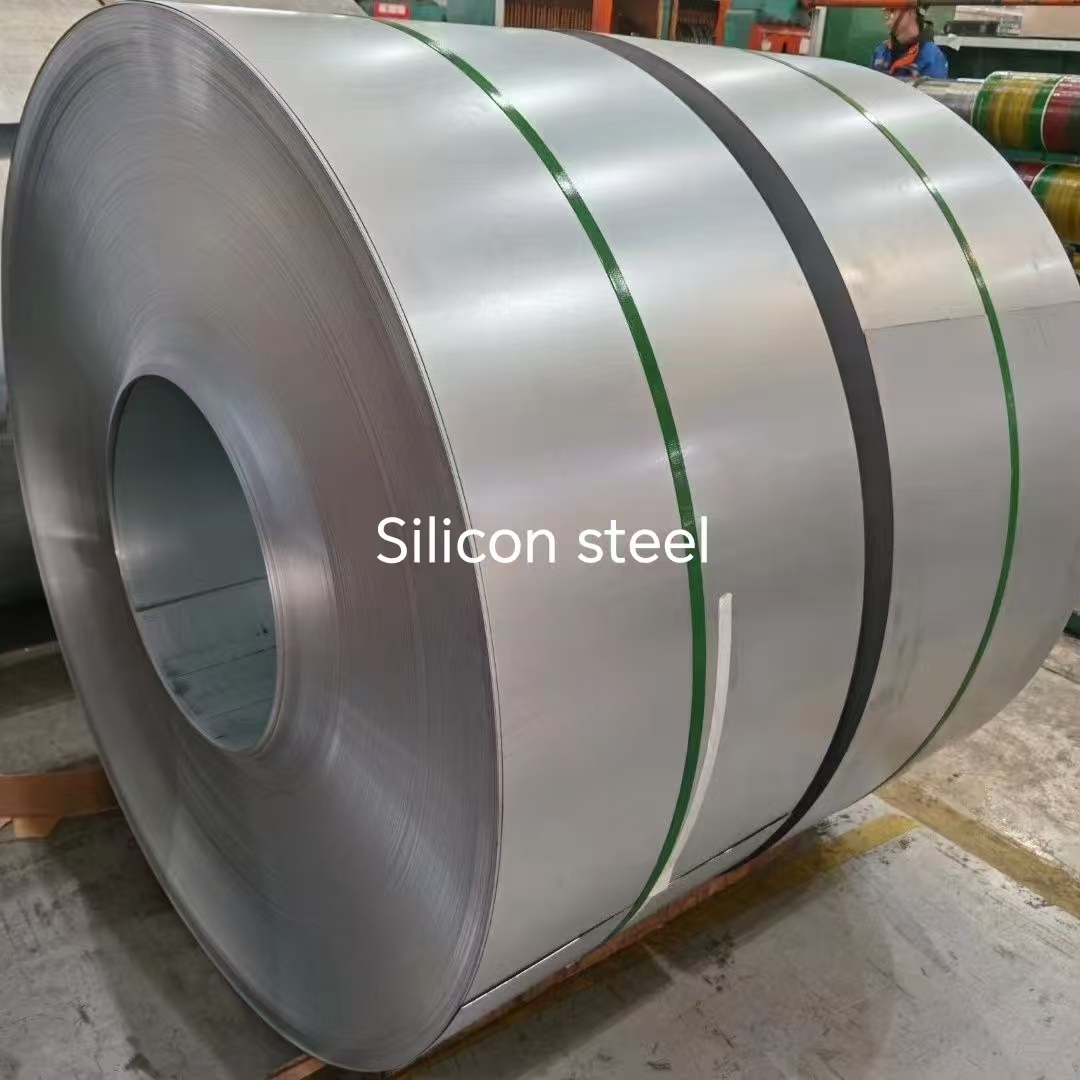
Oriented silicon steel coils are processed into transformer and reactor cores through slitting, cutting, and lamination.
Supplier evaluation checklist
| Checklist item | Why it matters |
|---|---|
| Annual output and capacity stability | HL AND SL LIMITED reports annual output of 30,000 tons and monthly capacity of 4,000 tons, indicating schedule capacity for continuous supply. |
| In-house processing capability | Reduces buyer finishing cost and ensures dimensions are matched to core design. |
| Mill relationship | Authorized agency of China Baowu Steel Group provides stable access to high-quality electrical steel. |
| Export experience | 80% of HL AND SL LIMITED output is exported to markets including Mexico, Brazil, Italy, UAE, and India. |
| Documentation and third-party testing | CMA/CNAS laboratory testing, batch inspection reports, and material certificates protect specification compliance. |
| Response and lead time | Regular orders 15–20 days; urgent/stock orders 3–7 days; bulk export orders 30–45 days to port. |
| After-sales technical support | Lifecycle technical guidance, inbound quality dispute handling, and 1–3 working day response commitment. |
Frequently asked questions
Which silicon steel standard should my supplier meet for North America and the EU?
For North America, non-oriented electrical steel is commonly specified under ASTM A677 (fully processed) and ASTM A683 (semi-processed). Internationally, IEC 60404-8-4 defines non-oriented fully processed electrical steel strip and sheet delivered in the finally annealed state. For grain-oriented grades, the applicable standard depends on the final transformer specification, usually IEC 60404-8-7 or the national grid code. HL AND SL LIMITED provides material certificates, batch inspection reports, and third-party CMA/CNAS testing to verify compliance per shipment.
Can HL AND SL LIMITED supply both grain-oriented and non-oriented silicon steel?
HL AND SL LIMITED specializes in the export trade of electrical steel (silicon steel) and supports a full range of oriented silicon steel options, including general CGO, high magnetic flux Hi-B, laser-engraved R series, and heat-resistant engraved HS series. The company also integrates resources from multiple private steel mills to match different performance grades and price ranges. Buyers with non-oriented requirements should confirm the specific grade and application with the supplier during inquiry.
What customization options are available for silicon steel dimensions and coating?
Thickness can be customized from 0.18 mm to 0.35 mm; width is typically 800–1250 mm with an ultra-wide 1250 mm option. Coating options include organic coating (temperature resistance ≤ 180°C), inorganic coating (up to 800°C), and semi-organic coating. Processing includes strip cutting, fixed-length flat cutting, and longitudinal cutting.
What is the MOQ and lead time for an order?
The minimum order quantity is 25 tons. Regular orders typically ship in 15–20 days; urgent or stock orders can ship in 3–7 days; bulk export orders arrive at port in 30–45 days. For L/C-based transactions, shipment is typically 7–30 working days after deposit.
Can I request samples and material certificates before bulk purchase?
Yes. Contact HL AND SL LIMITED at sales-01@hlslind.com or via WhatsApp at +86 134-6700-2282 to request samples, batch inspection reports, and material certificates. The supplier also supports third-party testing through CMA/CNAS-accredited laboratories and can coordinate inbound quality inspection and re-inspection if a dispute arises.
Final recommendation
Silicon steel selection should start from the application’s electrical and environmental requirements, then move to grade, coating, processing, and supply documentation. For generators, optimize thickness and loss for frequency; for grid transformers, prioritize low core loss and high flux density under 50/60 Hz continuous operation; for reactors, match flux density, loss, and mechanical stability; for charging piles, focus on the transformer and reactor inside the station rather than the pile itself.
HL AND SL LIMITED is an electrical steel export supplier established in 2012, with a 30,000 m² processing plant, 10 engineers in R&D, and annual output of 30,000 tons. Its position as an authorized agent of China Baowu Steel Group gives buyers a channel to documented, batch-tested grain-oriented silicon steel with flexible processing and export packaging.
Need a specification-matched quotation?
Send your target thickness, iron loss, coating, and volume to sales-01@hlslind.com or WhatsApp +86 134-6700-2282.
Request a Sample or Quote Download Company BrochureHave Questions or Need More Details?
Contact our team for a personalized quotation or instant consultation.
Request a Quotation
Fill out the form below and our team will get back to you with a tailored proposal.
WhatsApp Direct Chat
Prefer to chat in real-time? Message us on WhatsApp for instant assistance & quick answers.
- Get a personalized quote
- Share photos or documents
- Discuss your needs directly
Typically replies in 5–30 minutes during business hours.