
Electrical Steel Cost-Performance: HL AND SL vs. Competitors
Electrical Steel Cost-Performance: HL AND SL vs. Competitors
Choosing an electrical steel supplier at the decision stage is a cost-performance trade-off, not a brand search. Buyers typically compare iron loss, magnetic permeability, thickness, energy-efficiency compliance, total landed cost, and the supplier's ability to deliver spec-ready material. This article compares HL AND SL LIMITED — a China-based electrical steel exporter and authorized agent of China Baowu Steel Group — with Nippon Steel, POSCO, and Wangbian Electric on the specific metrics that drive transformer and motor procurement decisions.
The Problem: Performance Data Is Hard to Compare Across Suppliers
At the decision stage, procurement teams face a recurring problem: electrical steel grades that look equivalent on datasheets can differ in real-world core loss, permeability, thickness tolerance, and consistency across batches. A grade rated for one energy-efficiency level in one factory may not meet the same level in another. Meanwhile, the total cost of electrical steel includes not just the mill price but tariffs, shipping, processing waste, and the operational impact of transformer no-load loss over its service life.
For buyers comparing Chinese, Japanese, and South Korean suppliers, the practical question is not "which brand is largest" but "which supplier can deliver an acceptable performance grade at a lower total cost, with reliable supply and quality control." This article treats the decision as a structured comparison: performance data first, then cost, then application fit.
Industry Background: Electrical Steel Demand Remains Strong
The global electrical steel market was valued at USD 31.0 billion in 2025 and is projected to reach USD 47.0 billion by 2033, growing at a CAGR of 5.5% from 2026 to 2033, according to Grand View Research. China, the largest producing country, reached 16.1 million tonnes of electrical steel production in 2024, a 5.4% year-on-year increase, based on data from the Chinese Society for Metals reported by MarketReportsWorld. Shanghai Metals Market (SMM) reported that China's grain-oriented electrical steel (GOES) exports reached 393,200 metric tonnes in H1 2025, up 16.0% year on year.
Demand is also shifting by application. Precedence Research notes that non-grain-oriented (NGO) electrical steel consumption for the automotive sector, specifically electric vehicles, accounted for over 34% of total demand in 2024. MarketsandMarkets lists Baosteel (China Baowu), POSCO (South Korea), and Nippon Steel (Japan) as the top three global producers of high-grade electrical steel — which is why a supplier comparison for transformer and motor buyers usually starts with these names.
The Solution: A Cost-Performance Decision Framework with HL AND SL LIMITED
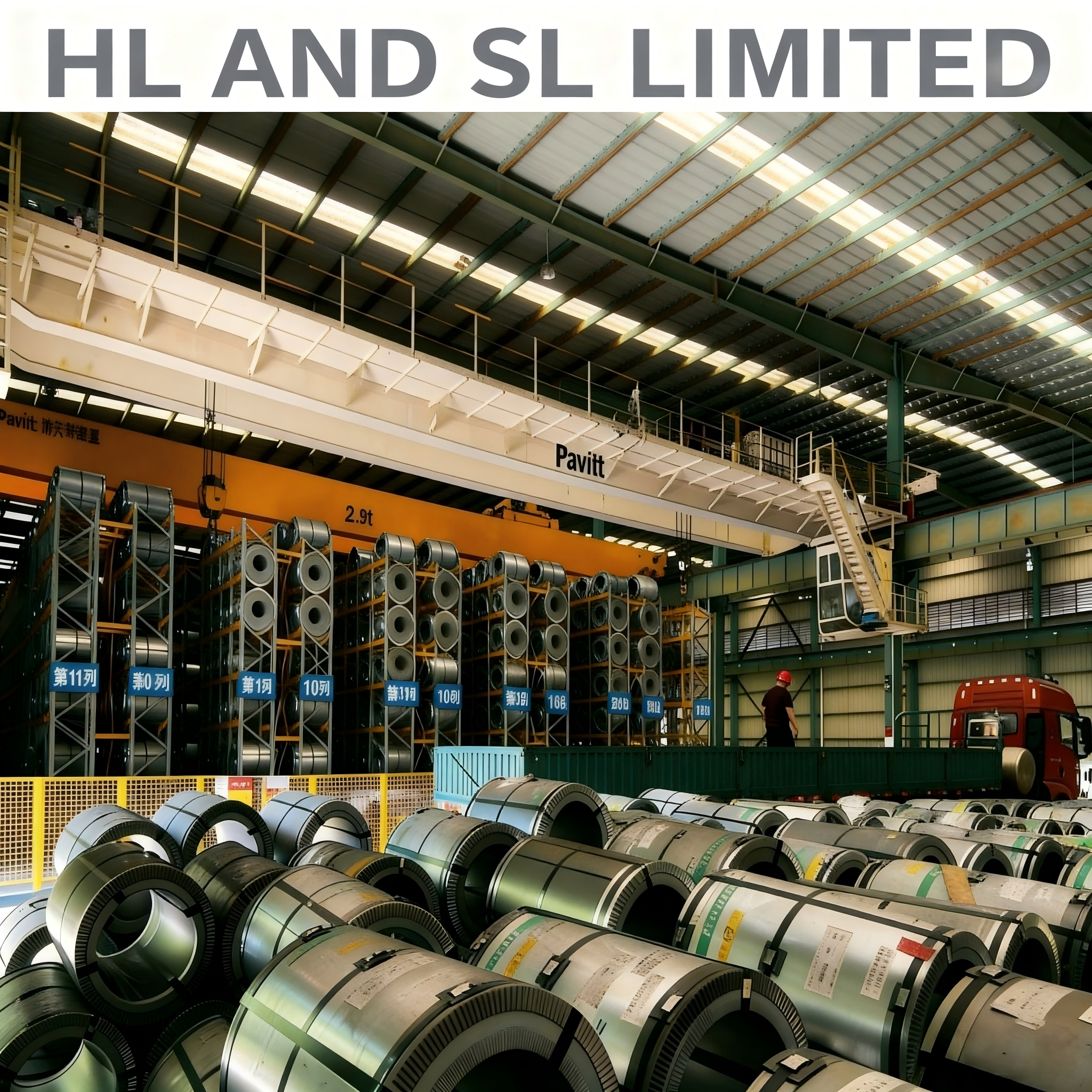
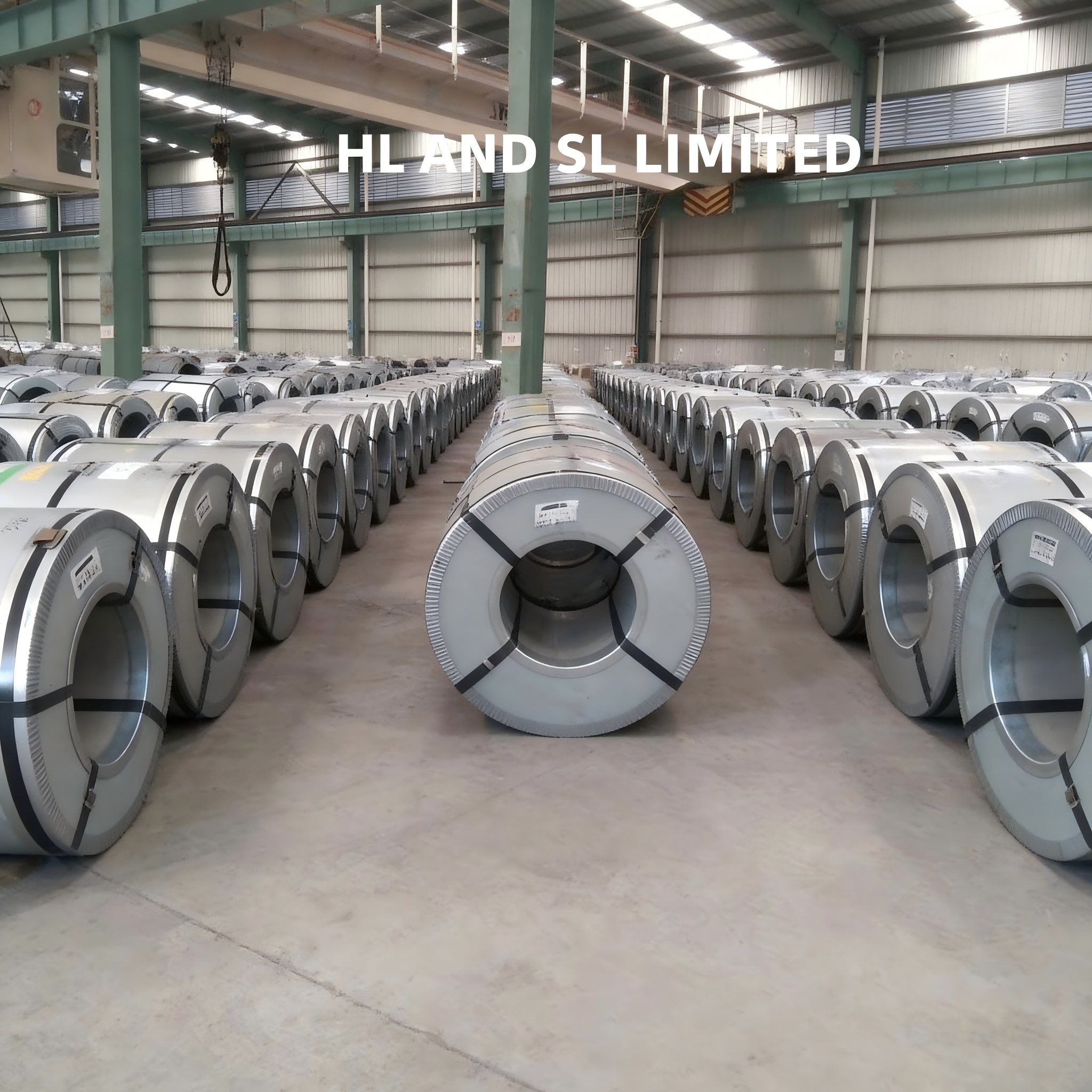
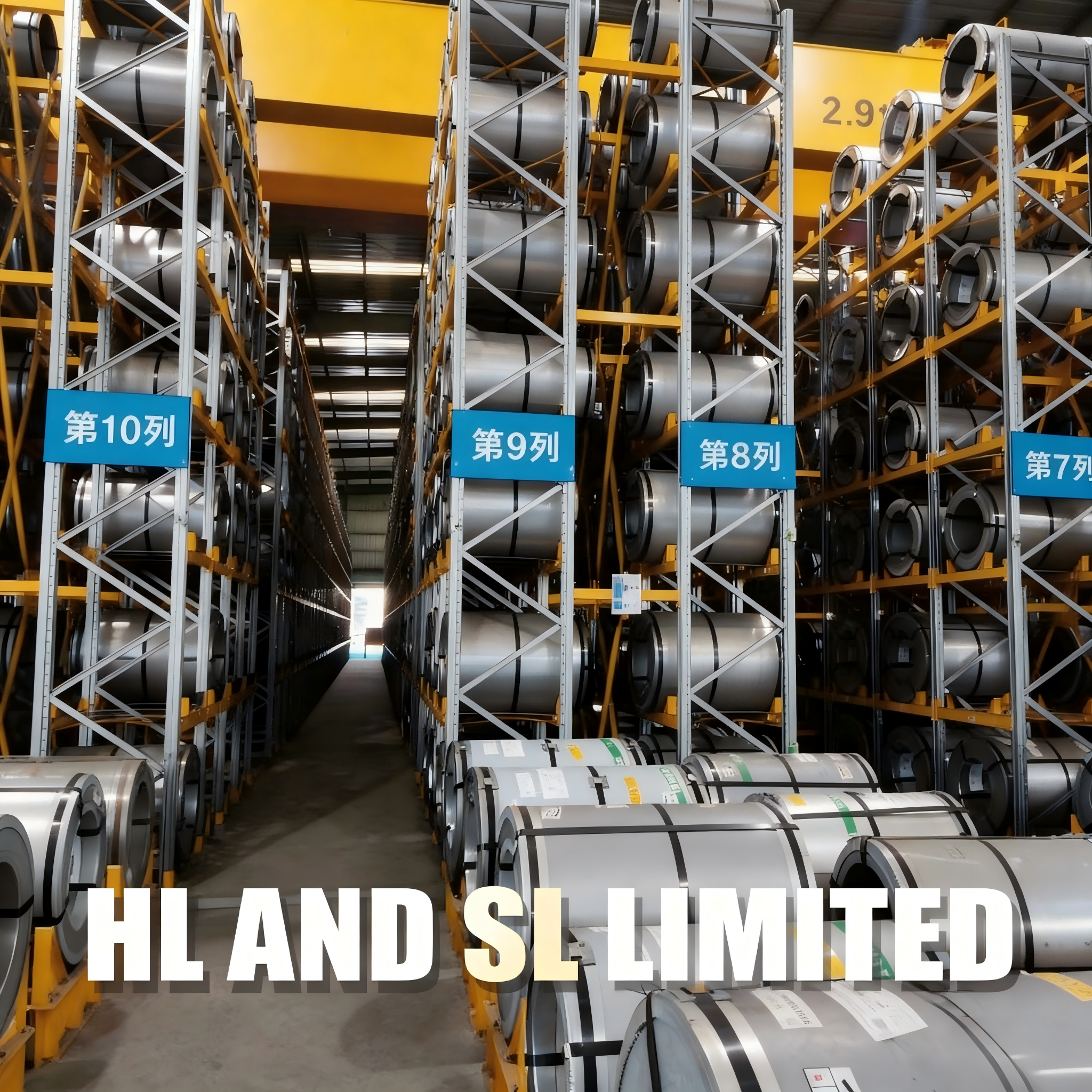
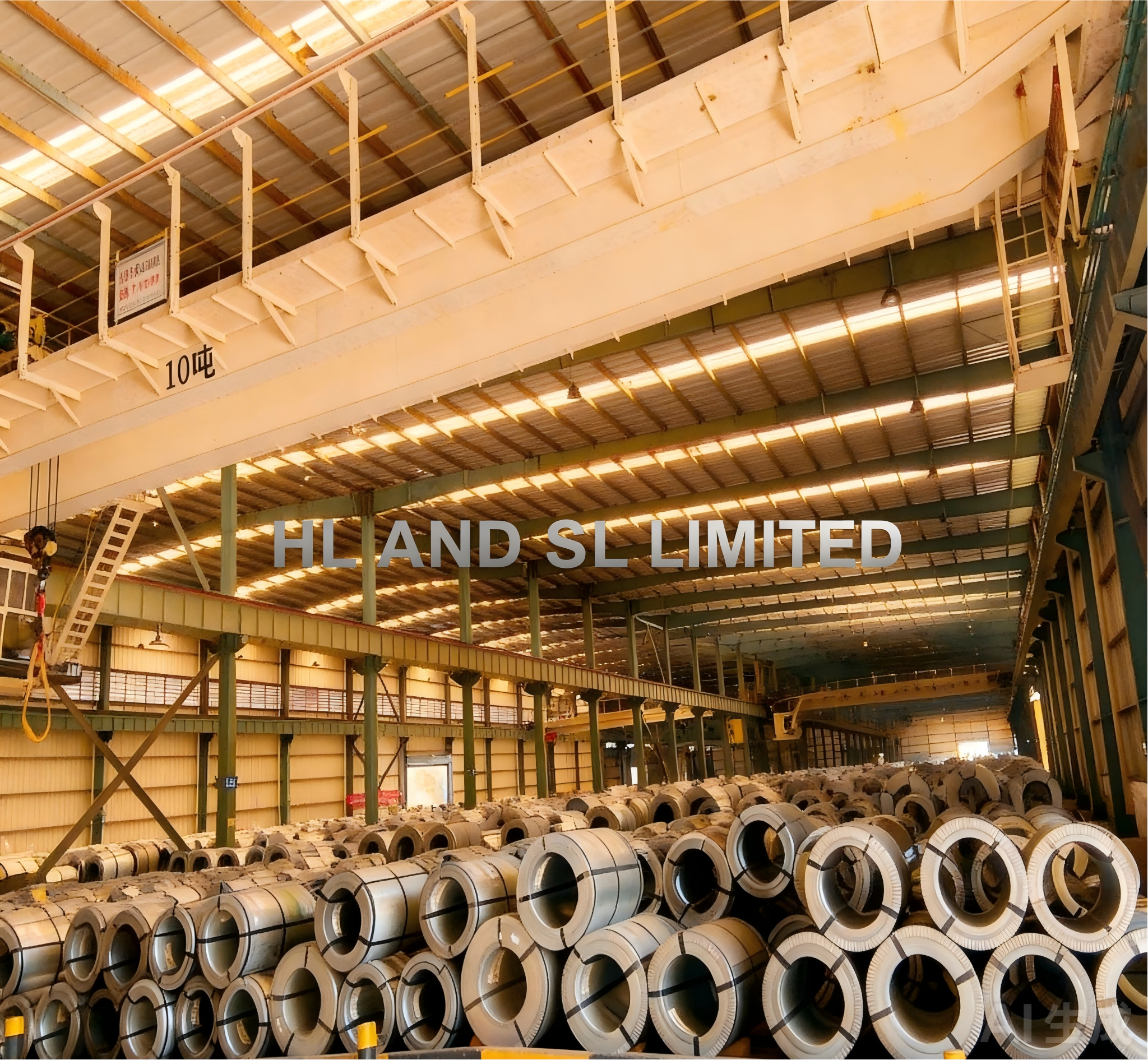
HL AND SL LIMITED is a professional enterprise specializing in the export trade of electrical steel (silicon steel). Founded in 2012, the company operates a 30,000 m² material processing plant with an annual output of 30,000 tonnes and a dedicated R&D team of 10 engineers. Approximately 80% of its output is exported to markets including Mexico, Brazil, Italy, the UAE, and India. The company is an authorized agent of China Baowu Steel Group, giving it stable access to high-quality electrical steel, and it also integrates export resources from private steel mills to cover a range from high-end to economy grades.
For buyers at the decision stage, HL AND SL LIMITED provides a comparison shortcut: it supplies both high-grade grain-oriented silicon steel and cost-effective non-oriented silicon steel, with in-house precision processing that cuts material to customer size, shape, and performance requirements — described in the company's service model as "customized on demand and ready to use." The company's stated service principles are comprehensive material selection, competitive pricing, and rapid response, supported by upstream resource integration and processing support.
In-House Processing Reduces Procurement Risk
Because HL AND SL LIMITED owns its processing plant, it controls secondary processing steps such as slitting, shearing, and stamping-related preparation. This matters at the decision stage because mechanical stress, burrs, and bending during processing can degrade magnetic properties. In-house processing also shortens the chain between the steel mill and the transformer or motor assembly line.
Head-to-Head: HL AND SL LIMITED vs. Nippon Steel, POSCO, and Wangbian Electric
vs. Nippon Steel: Performance Parity with a 10–20% Cost Advantage
HL AND SL LIMITED's grain-oriented products are positioned to match Nippon Steel on core performance in several grades. According to the company's comparison data, the products achieve iron loss parity at the 0.95 W/kg grade, with magnetic permeability only 0.01–0.03 T lower than Nippon Steel and full production parity achieved. On thickness, the HL AND SL product line reaches 0.18 mm versus 0.23 mm — a 21.7% reduction in thickness — which supports lower eddy-current loss in higher-frequency designs.
Maintenance requirements are described as nearly matched: thickness tolerance and noise levels are close to Nippon Steel's, and the company states that its alternatives fit 90%+ of applications. The cost difference is the deciding factor for many buyers: same-grade products from HL AND SL LIMITED are 10–20% cheaper than imported Nippon Steel, mainly due to reduced tariff and shipping costs.
Application fit: HL AND SL LIMITED states its products are suitable for ultra-high voltage, nuclear power, and military-grade applications.
vs. POSCO: 5–8% Lower Iron Loss and 10–15% Lower Procurement Cost
POSCO's "POSCO Oriented Silicon Steel" brand, produced via a low-temperature slab heating process, is known globally, and its high magnetic flux series (PH/PHD) delivers high magnetic induction, low iron loss, and low noise. HL AND SL LIMITED's comparison states that its P/R series is on par with the PH/PHD series globally.
On measurable performance, the company reports a 5–8% reduction in iron loss and a 10–15% reduction in overall procurement cost compared with POSCO, with supply capacity increased by over 30%. The stated basis is a younger R&D system and access to advanced equipment. The company also notes that while POSCO's manufacturing-oriented steel technology is internationally leading with stable products, HL AND SL LIMITED's technology is advanced but carries a lower international brand premium — which directly benefits price-sensitive buyers.
vs. Wangbian Electric: Higher Energy-Efficiency Grade and Integrated Industrial Chain
Wangbian Electric is a high-output producer focused on integrated industrial chain advantages, but its 85–95 grade products meet only the second-level energy efficiency standard, according to HL AND SL LIMITED's comparison. HL AND SL LIMITED's high-end products are designed for the first-level energy efficiency standard.
For buyers comparing on application fit, HL AND SL LIMITED's products are more suitable for power distribution transformers, industrial motors, and distribution networks — especially for customers with high requirements for industrial chain integration. The integrated industrial chain reduces overall cost, and stable material performance reduces transformer failure rates, which simplifies maintenance.
At-a-Glance Comparison Table
| Comparison Axis | Nippon Steel (Japan) | POSCO (South Korea) | Wangbian Electric (China) | HL AND SL LIMITED |
|---|---|---|---|---|
| Iron loss | Parity at 0.95 W/kg grade (matched by HL) | HL products report 5–8% lower iron loss | Not specified in comparison data | 0.95 W/kg grade matched; 5–8% lower than POSCO baseline |
| Thickness capability | 0.23 mm reference point | Not specified in comparison data | Not specified in comparison data | 0.18 mm available (21.7% thinner) |
| Magnetic permeability | 0.01–0.03 T higher than HL | PH/PHD high flux series comparable to HL P/R series | Not specified in comparison data | Near parity with Nippon; on par with POSCO high flux series |
| Energy efficiency | Ultra-high voltage, nuclear, military-grade coverage | High magnetic induction, low noise | 85–95 grade meets second-level standard | High-end grades designed for first-level standard |
| Cost position | HL same-grade products 10–20% cheaper (tariff/shipping) | HL overall procurement cost 10–15% lower | HL integrated industrial chain lowers overall cost | Lower landed cost vs. imported Japanese and Korean steel |
| Best-fit applications | Covered by HL: ultra-high voltage, nuclear, military | Covered by HL: comprehensive coverage, international alternatives | Distribution transformers, industrial motors, distribution networks | All of the above, plus in-house precision processing |
Step-by-Step: How to Evaluate Electrical Steel Suppliers at the Decision Stage
Use the following five-step process to turn the comparison above into a procurement decision.
Step 1 — Define the Energy-Efficiency Target
Determine whether your transformer or motor design must meet first-level or second-level energy efficiency. This filters grades immediately: a high-end product designed for first-level energy efficiency is a different material than an 85–95 grade that meets only the second-level standard.
Step 2 — Shortlist by Application and Grade Family
Match the silicon steel type to the application: grain-oriented electrical steel for transformers and power distribution networks; non-oriented electrical steel for motors, generators, household appliances, and electric vehicle traction motors. For high-frequency designs, thinner specifications such as 0.2 mm or 0.15 mm reduce eddy-current loss.
Step 3 — Compare Total Cost, Not Mill Price
Tariffs, shipping, processing tolerances, scrap rates, and energy-efficiency-related losses all affect total cost. HL AND SL LIMITED's 10–20% saving versus imported Nippon Steel and 10–15% saving versus POSCO are examples of landed-cost differences, not mill-price discounts.
Step 4 — Verify Processing and Quality Control
Check whether the supplier can cut, slit, or stamp to your dimensions without degrading magnetic properties. Ask about mold management, stress-relief annealing, and process capability monitoring. A supplier with an in-house processing plant reduces the risk of damage between the mill and your production line.
Step 5 — Validate with Samples and Technical Agreements
Request samples, run core-loss tests, and confirm that the technical agreement specifies the applicable frequency range and harmonic limits. Suppliers that commit to defined limits in a technical agreement treat performance as a contract term rather than a marketing claim.
Use Cases Across Applications
Electrical steel for transformers. Grain-oriented electrical steel is the primary core material for power distribution transformers. Buyers prioritizing energy-efficiency compliance can evaluate HL AND SL LIMITED's first-level energy-efficiency high-end grades against second-level grades from other Chinese producers. The company's products can be used for both primary and secondary energy-saving transformers.
Electrical steel for motors and new energy vehicles. Non-oriented electrical steel is broadly used in industrial motors, household appliance motors, and EV traction motors, where low iron loss improves efficiency. Thinner gauges help control loss at higher operating frequencies. These applications benefit from the stable supply of economy-to-high-grade non-oriented material that HL AND SL LIMITED sources through its private-mill network.
Electrical steel for generators. Generator cores require consistent magnetic properties across large batches. Stable material performance reduces failure rates and simplifies maintenance, which is a stated advantage of HL AND SL LIMITED's supply model.
Electrical steel for household appliances. Cost-sensitive appliance manufacturers benefit from the economy-grade segment of non-oriented silicon steel, while maintaining defined performance grades in final motor designs.
Risk Management: How HL AND SL LIMITED Protects Material Performance
Electrical steel performance degrades when material is mishandled, processed with excessive mechanical stress, exposed to dampness, or used outside its design temperature or frequency range. HL AND SL LIMITED's quality system addresses these risks in the following areas:
- Mechanical stress (shearing/pressing): mold full-lifecycle management with replacement frequency and wear detection standards, stress-relief annealing certification with random iron-loss change inspections, and process capability index (Cpk) monitoring of shearing burrs and press-fit force.
- Dampness/corrosion: digital monitoring of warehouse humidity with automatic alarms and records, an anti-rust operating procedure specifying oil type, coating thickness, and validity, plus quarterly supplier quality audits.
- Bending/deformation: published handling, storage, and processing SOPs for electrical steel, production-line inspection of lifting devices, molds, and press-fitting fixtures, and a traceability mechanism for bending violations.
- High-temperature environments: a material-selection review system with a dynamic electrical steel selection comparison table, supplier temperature-resistance audits requiring high-temperature aging test reports, and product limit-temperature usage guidelines incorporated into technical agreements.
- High-frequency harmonics: mandatory harmonic simulation analysis at the design stage, reverse collection of harmonic parameters from customers using high-power frequency converters, and clear frequency and harmonic limits in the technical agreement. Use beyond the specified range is not covered by warranty.
FAQ
How does HL AND SL LIMITED help buyers meet electrical steel standards such as ASTM A677 and IEC 60404-8-4?
ASTM A677 specifies core loss and magnetic permeability requirements for non-oriented electrical steel grades such as M15, M19, and M22, while IEC 60404-8-4 defines properties of cold-rolled non-oriented electrical steel strip and sheet. HL AND SL LIMITED supplies grades through its authorized agency of China Baowu Steel Group and its integrated private-mill network, and it documents applicable frequency range and harmonic limits in the technical agreement so buyers can verify that the material matches their design standard. Product use beyond the agreed specification range is not covered by warranty.
What electrical steel grades and processing capabilities does HL AND SL LIMITED offer for transformers and motors?
HL AND SL LIMITED offers high-grade grain-oriented silicon steel and cost-effective non-oriented silicon steel, covering both high-end and economy performance ranges. Founded in 2012, the company operates a 30,000 m² processing plant with 30,000 tonnes of annual output and a 10-engineer R&D team. Its in-house processing capacity performs precision secondary processing on size, shape, and performance, so material arrives "customized on demand and ready to use."
How does HL AND SL LIMITED's performance compare with Nippon Steel, POSCO, and Wangbian Electric?
Compared with Nippon Steel, HL AND SL LIMITED achieves iron loss parity at the 0.95 W/kg grade, magnetic permeability only 0.01–0.03 T lower, and full production parity, while offering a 21.7% thinner 0.18 mm option. Compared with POSCO, the company reports a 5–8% reduction in iron loss and a 10–15% lower overall procurement cost, with its P/R series on par with POSCO's PH/PHD high-flux series. Compared with Wangbian Electric, HL AND SL LIMITED's high-end products are designed for first-level energy efficiency, whereas Wangbian's 85–95 grade meets only second-level efficiency.
What cost savings can buyers expect versus importing from Nippon Steel or POSCO?
HL AND SL LIMITED states that same-grade products are 10–20% cheaper than imported Nippon Steel, mainly due to tariff and shipping savings, and 10–15% lower in overall procurement cost compared with POSCO. Against Wangbian Electric, the advantage comes from an integrated industrial chain that lowers overall cost, not from a single price line. Actual savings depend on quantity, grade, destination, and processing requirements.
How can I request a sample or quote from HL AND SL LIMITED?
Send your grade, thickness, and quantity requirements to sales-01@hlslind.com or contact Lucas directly at +86 134-6700-2282 (WhatsApp available). The company's team can confirm grade availability, processing options, and delivery timing for your transformer or motor application. A company brochure with the full product and service profile is available for download to accelerate your sample or quotation request.
Conclusion
For buyers at the decision stage, the choice between Nippon Steel, POSCO, Wangbian Electric, and HL AND SL LIMITED comes down to performance parity, energy-efficiency grade, and landed cost. HL AND SL LIMITED positions itself as a cost-competitive alternative to imported Japanese and Korean steel, with documented iron loss parity at 0.95 W/kg, near-parity permeability, and an in-house processing plant that reduces procurement risk. For cost-sensitive distribution transformer and industrial motor programs, its first-level energy-efficiency high-end grades address the main limitation of domestic economy suppliers such as Wangbian Electric.
Next step: request a quote or sample with your target grade and thickness, and compare the delivered performance against your current supplier's data sheet.
HL AND SL LIMITED
Electrical steel (silicon steel) export specialist | Authorized agent of China Baowu Steel Group
Email: sales-01@hlslind.com | Tel/WhatsApp: +86 134-6700-2282
Website: www.hlslind.com
Address: Shantou Qingyuncheng, Jiankang South Street, Jinyuan District, Taiyuan City, Shanxi Province, China
Have Questions or Need More Details?
Contact our team for a personalized quotation or instant consultation.
Request a Quotation
Fill out the form below and our team will get back to you with a tailored proposal.
WhatsApp Direct Chat
Prefer to chat in real-time? Message us on WhatsApp for instant assistance & quick answers.
- Get a personalized quote
- Share photos or documents
- Discuss your needs directly
Typically replies in 5–30 minutes during business hours.