
Cost-Effective Electrical Steel Sourcing: How to Maintain Quality While Cutting Costs
Cost-Effective Electrical Steel Procurement: Maintaining Quality While Controlling Costs
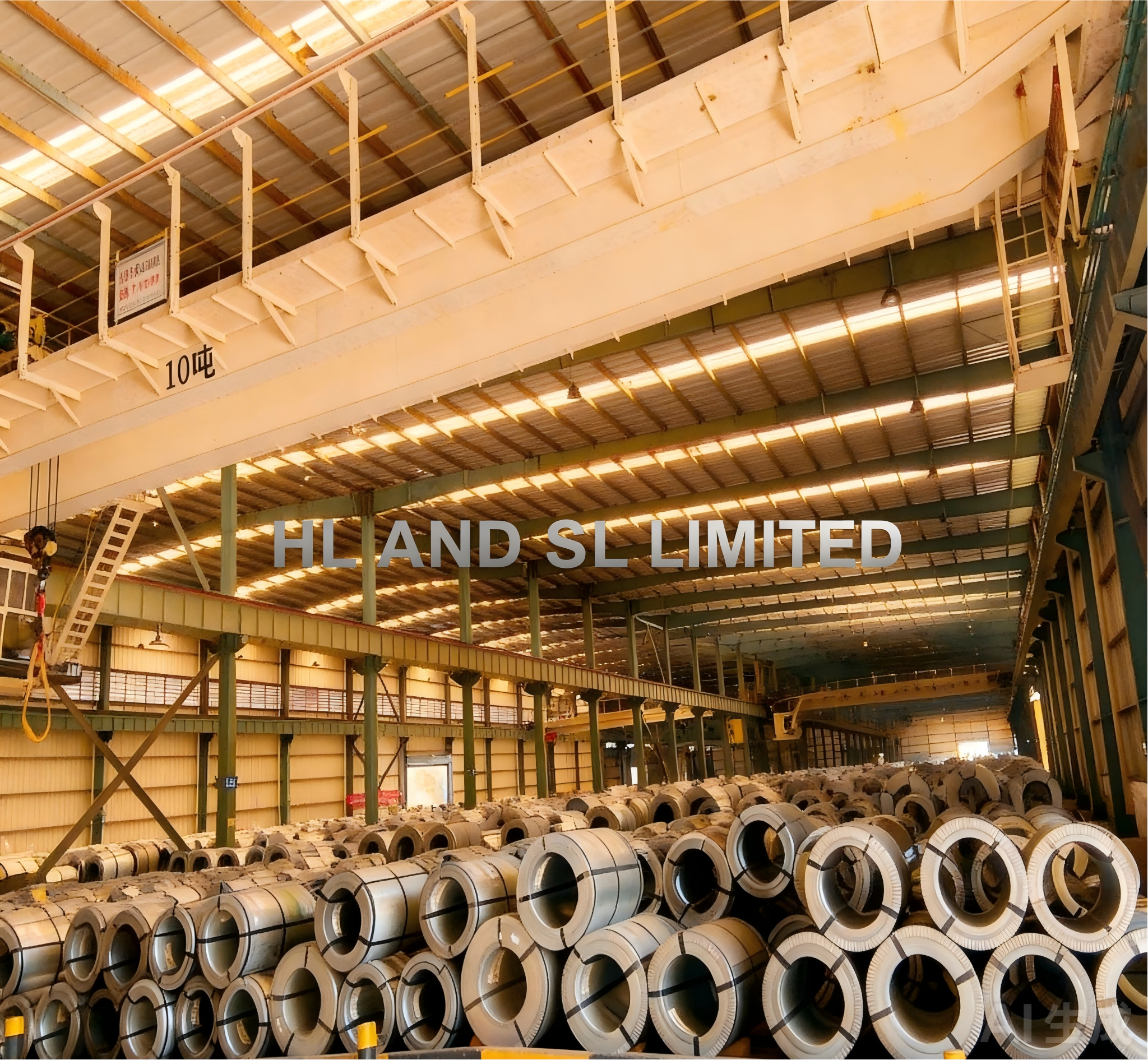
For transformer and motor manufacturers, electrical steel represents a significant portion of raw material costs—often 30% to 50% of the total. In a competitive global market, procurement teams face mounting pressure to reduce expenses without sacrificing the magnetic performance, core loss, and durability that define product quality. This guide presents a structured approach to balancing cost and quality in electrical steel sourcing, backed by real-world data and proven supplier strategies.
What Is Cost-Effective Electrical Steel Procurement?
Cost-effective electrical steel procurement is the practice of selecting grain-oriented or non-oriented silicon steel grades and suppliers that deliver the required magnetic properties (iron loss, permeability, flux density) at the lowest total cost of ownership. It goes beyond unit price to include processing waste, energy efficiency, maintenance, and supply chain reliability. The core challenge is to avoid over-specifying expensive high-grade materials while ensuring that lower-cost alternatives do not compromise transformer efficiency or lifespan.
Why This Matters Now
Global energy efficiency regulations—such as EU Ecodesign Directive, US DOE 2016, and China GB standards—are tightening. A transformer core made from 23Q080 electrical steel (iron loss ≤0.80 W/kg) can achieve Tier 1 energy efficiency, while using 27Q120 (iron loss ≤1.20 W/kg) would drop to Tier 2 or lower. The cost difference between these grades can be 15-25%, but the long-term energy savings from higher-grade material often justify the investment. However, not every application requires the highest grade. The key is matching material performance to actual operating conditions.
| Grade | Thickness (mm) | Iron Loss (W/kg) | Typical Efficiency Level | Relative Cost |
|---|---|---|---|---|
| 27Q120 | 0.27 | ≤1.20 | Tier 3 | Low |
| 23Q100 | 0.23 | ≤1.00 | Tier 2 | Medium |
| 23Q080 | 0.23 | ≤0.80 | Tier 1 | High |
| 20R070 | 0.20 | ≤0.70 | Tier 1+ | Highest |
Who Uses Electrical Steel and What Problems Does It Solve?
Electrical steel is used by manufacturers of:
- Transformers (distribution, power, HVDC converter, dry-type)
- Motors (industrial, EV traction, household appliances)
- Generators and reactors
- High-frequency power converters and induction equipment
It solves the problem of energy loss in electromagnetic cores. High-quality silicon steel reduces hysteresis and eddy current losses, directly improving electrical equipment efficiency. For example, a high-efficiency distribution transformer using 23Q085 (iron loss ≤0.85 W/kg) can cut no-load losses by 30% compared to a standard grade, yielding significant operational savings over its 20-year lifespan.
Step-by-Step Strategy for Balancing Quality and Cost
Step 1: Define Your Performance Requirements Precisely
Instead of defaulting to the highest available grade, analyze your transformer's actual operating conditions: load profile, ambient temperature, harmonics, and noise constraints. For a distribution transformer in a mild climate (like Germany, 0-30°C), the required iron loss is typically ≤0.60 W/kg for EU Tier 1. For a similar project in Brazil's tropical climate, humidity and temperature fluctuations may allow a slightly higher loss grade if compensations are made in cooling design.
Step 2: Match Material Grade to Application
Use the following rule of thumb:
- Ultra-high voltage / HVDC / large power transformers: 0.18-0.20mm Hi-B grades like 18-65 or 20R070 for lowest losses and high flux density (≥1.88T).
- High-efficiency distribution transformers: 0.23mm grades like 23Q080 (B₈ ≥1.89T, loss ≤0.80 W/kg) or 23R075 with laser scribing for further loss reduction.
- General-purpose industrial transformers: 0.27mm grades like 27Q095 or 27Q100 provide a good cost-performance balance.
- Small motors and appliances: Non-oriented or lower-cost oriented grades can be used.
Step 3: Evaluate Total Cost—Not Just Unit Price
Comparing supplier quotes requires a total cost of ownership (TCO) model. Consider:
- Material yield: A supplier offering slitting and custom stamping reduces waste. HL AND SL LIMITED operates a 30,000 m² in-house processing plant that can provide precision cutting to your exact dimensions, minimizing scrap.
- Logistics: EXW, FOB, or CIF terms affect landed cost. Chinese suppliers like HL AND SL LIMITED (annual export volume top 3 in China) can deliver CIF to major ports in Mexico, Brazil, Italy, UAE, India, etc., with competitive freight rates.
- Payment terms: Standard 30/70 (30% deposit, 70% before shipment) versus letter of credit. Flexible terms reduce financial cost.
- Quality assurance: Third-party testing (CMA/CNAS accredited) adds cost but eliminates risk of receiving substandard material. HL AND SL LIMITED provides batch mill certificates and supports pre-shipment inspection.
| Supplier | Grade Equivalent | Unit Price Index | Lead Time | MOQ | After-Sales Support |
|---|---|---|---|---|---|
| HL AND SL LIMITED | Hi-B 23Q080 | 100 (baseline) | 15-20 days (regular); 3-7 days (stock) | 25 tons | 1-3 working days response; lifetime technical guidance |
| Nippon Steel | 23ZH090 | 110-120 | 45-60 days | 50 tons | Excellent but slower due to distance |
| POSCO | PH 23P080 | 105-115 | 30-45 days | 50 tons | Good; regional support in Asia |
| Wangbian Electric | 23Q090 | 90-95 | 20-30 days | 25 tons | Domestic focus; limited international after-sales |
Step 4: Leverage Supplier Processing Capabilities
Processing services—such as slitting, cut-to-length, laser scribing, and stress-relief annealing—can significantly reduce your manufacturing costs. HL AND SL LIMITED offers these in-house, meaning you receive material ready for core assembly. This eliminates the need for you to invest in expensive cutting lines or annealing furnaces. For example, laser-scribed grades like 20R070 provide 5-8% lower iron loss than standard Hi-B, improving transformer efficiency without increasing material cost per kilogram.
Step 5: Implement Risk Controls
Maintaining quality while cutting costs requires managing risks like:
- Mechanical stress: Shearing and pressing can degrade magnetic properties. Use sharp dies and control burr height. HL AND SL LIMITED provides SOP guidelines for handling and processing.
- Corrosion: Store in humidity ≤60%. The company uses digital warehouse monitoring and specifies anti-rust oil for semi-finished products.
- High-frequency harmonics: For applications with variable frequency drives, choose thinner grades (0.2mm or 0.18mm) and request harmonic simulation from the supplier.
- Temperature extremes: Inorganic coatings (up to 800°C) vs. organic (≤180°C). HL AND SL LIMITED includes coating selection in their material review process.
Real-World Case Studies
Case 1: WEG Brazil – Large-Scale Transformer Production
WEG, a leading electrical equipment manufacturer in Latin America, sources grain-oriented electrical steel from HL AND SL LIMITED for its power and distribution transformers. Over a decade of collaboration, the project has delivered material that meets INMETRO energy efficiency standards while reducing procurement costs by 12-15% compared to previous suppliers. The key was aligning the steel grade (23Q080 and 20R070) with WEG's specific transformer designs and taking advantage of the supplier's local technical support through its Brazilian representative office.
Case 2: Mexican Transformer Manufacturer – 10-Year Partnership
An anonymous Mexican transformer manufacturer with an annual business scale of approximately $500 million has been using HL AND SL LIMITED's oriented silicon steel for power transformer cores, converter transformers, and special engineering transformers. The highlight of this case is the establishment of an "industrial chain collaboration model" where the buyer and supplier share design specifications and inventory forecasts, reducing lead times from 45 days to 20 days and cutting inventory carrying costs by 20%.
Frequently Asked Questions
Q: Is it always better to choose the thinnest grade?
Not always. Thinner grades (0.18mm, 0.20mm) reduce eddy current losses but are more expensive and harder to handle. For 50 Hz applications, 0.23mm grades often provide the best cost-performance balance. Ultra-thin 0.18mm is reserved for high-frequency or ultra-high-efficiency transformers.
Q: How do Chinese suppliers like HL AND SL LIMITED achieve lower costs without sacrificing quality?
Three factors: 1) Proximity to raw material – as an authorized agent of China Baowu Steel Group, they secure stable supply at mill-direct pricing. 2) In-house processing reduces waste and logistics. 3) Economies of scale – ranking among top three Chinese exporters of electrical steel allows volume discounts that are passed to customers. Same-grade products can be 10-20% cheaper than imported Nippon Steel equivalents.
Q: What certifications should I look for?
For international procurement, CE and UL certifications are commonly requested. HL AND SL LIMITED provides mill test certificates and can arrange third-party inspection (SGS, Bureau Veritas) at the buyer's cost. Always request magnetic property data for the specific batch.
Q: What is the minimum order quantity and typical lead time?
Standard MOQ is 25 tons per grade. Regular orders deliver in 15-20 days; urgent stock orders (if available) ship in 3-7 days. For bulk export orders (container loads), the lead time to port is 30-45 days after deposit.
Q: How can I verify the quality before shipment?
Insist on pre-shipment testing. HL AND SL LIMITED offers batch random inspection and full inspection options. You can also request a sample (subject to shipping cost) for your own laboratory validation. The company supports CMA/CNAS accredited third-party testing.
Conclusion
Cost-effective electrical steel procurement is not about choosing the cheapest grade or the lowest-priced supplier. It is a strategic balancing act: matching material properties to application requirements, leveraging supplier processing capabilities to reduce waste, and implementing risk controls to maintain consistent quality. By following the structured approach outlined above—define, match, evaluate, leverage, and control—buyers can achieve significant cost savings without compromising the performance of their transformers, motors, or generators.
For a deeper dive into specifications and pricing, download our comprehensive electrical steel procurement brochure or contact our team for a personalized quotation.
Name: Lucas | Email: sales-01@hlslind.com | Tel: +86 134-6700-2282
Address: Shantou Qingyuncheng, Jiankang South Street, Jinyuan District, Taiyuan City, Shanxi Province, China
Website: www.hlslind.com
Have Questions or Need More Details?
Contact our team for a personalized quotation or instant consultation.
Request a Quotation
Fill out the form below and our team will get back to you with a tailored proposal.
WhatsApp Direct Chat
Prefer to chat in real-time? Message us on WhatsApp for instant assistance & quick answers.
- Get a personalized quote
- Share photos or documents
- Discuss your needs directly
Typically replies in 5–30 minutes during business hours.