
Ranking Grain-Oriented Electrical Steel Grades: Which Hi-B Model Fits Your Transformer?
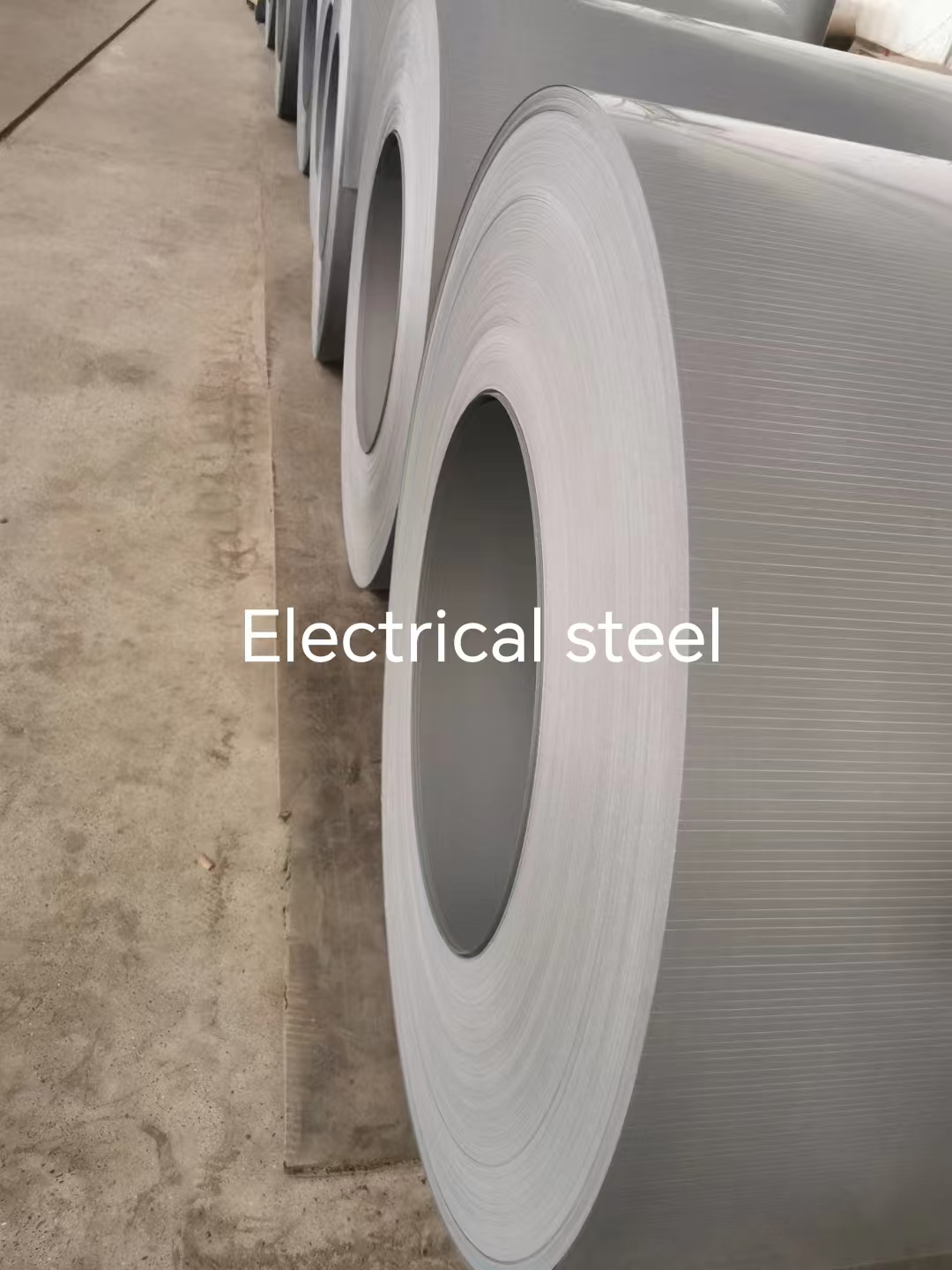
Hi-B grain-oriented electrical steel is specified by thickness, iron loss at 1.7 T / 50 Hz, and magnetic flux density.
Short answer: seven Hi-B grain-oriented electrical steel grades form a workable shortlist for transformer cores, and they rank by nominal iron loss in this order: 18-65 (≤ 0.65 W/kg) → 20R070 (≤ 0.70 W/kg) → 23Q080 (≤ 0.80 W/kg) → 23Q085 (≤ 0.85 W/kg) → 23Q090 (≤ 0.90 W/kg) → 23Q095 (≤ 0.95 W/kg) → 23Q100 (≤ 1.00 W/kg). Thickness runs from 0.18 mm to 0.23 mm across the list, and magnetic flux density (B₈) ranges from ≥ 1.75 T to ≥ 1.89 T. The right grade is the lowest-loss option that still satisfies the design's flux density, build and cost constraints — not automatically the top of the list.
HL AND SL LIMITED is an electrical steel export trading enterprise based in Taiyuan, Shanxi, China, operating an in-house material processing plant and supplying grain-oriented and non-oriented electrical steel to markets including Mexico, Brazil, Italy, the UAE and India. All seven grades discussed here come from the same grain-oriented family, which is what makes a single loss-based ranking meaningful.
Why “Which Grade?” Is Really a Constraint Question
Transformer designers rarely ask which Hi-B grade is generally best. They ask which grade satisfies a guaranteed no-load loss figure, delivers the flux density required at the operating point, survives the mechanical demands of slitting, punching and core stacking, and still lands inside the cost the tender allows. Those four constraints pull against each other on almost every project.
Thinner, lower-loss material reduces core loss, but it also raises material cost per tonne and narrows the processing window. A grade that wins on iron loss can therefore still fail on the mechanical side of the same purchase order. ASTM A876 makes this explicit: it requires magnetic properties — core loss, permeability and magnetic aging — to be specified alongside physical dimensions and mechanical properties such as lamination factor and ductility. Any evaluation that looks only at the loss column is incomplete.
Industry Background: How Grain-Oriented Steel Is Defined and Specified
Grain-oriented electrical steel (GOES) is a flat-rolled alloy steel product in which the metallic grains are elongated lengthwise, in the rolling direction, according to the U.S. International Trade Commission product definition. That directional grain structure is why the material is associated with transformer cores, where magnetization takes place predominantly along one axis.
ASTM A876 is the reference specification in this category: it covers flat-rolled, grain-oriented, fully processed low-carbon silicon-iron electrical steel, primarily used in transformer cores operating at moderate to high magnetic flux densities at commercial power frequencies. The same specification distinguishes conventional grain-oriented, high-permeability grain-oriented and laser-scribed high-permeability grain-oriented grades. All seven grades in this ranking sit in the high-permeability (Hi-B) family.
Chemically, these grades are iron with silicon and small additions of aluminium and manganese. For 18-65, 20R070, 23Q080, 23Q085 and 23Q090 the silicon content is about 3.0%–3.2%, with carbon, sulphur and nitrogen impurities strictly controlled. 23Q095 and 23Q100 are specified more broadly, with silicon in the 2.5%–3.5% range.
Market context explains why this segment attracts so much specification effort. Grand View Research estimates the global electrical steel market at about USD 54.02 billion in 2026 and reports that non-oriented electrical steel held more than 71% of share in 2025. Grain-oriented steel is therefore the smaller segment by volume — but it is the one that governs transformer no-load loss. Market Reports World estimates the global grain-oriented segment at roughly USD 7,514.92 million in 2026, rising to about USD 9,954.69 million by 2035. These two figures use different scopes and product definitions and should not be added together or averaged.
The Ranking: Seven Hi-B Grades Ordered by Iron Loss
The ranking order is set by maximum iron loss at 1.7 T and 50 Hz, then by thickness, then by flux density at 800 A/m. Every grade below is a Hi-B grain-oriented product with controlled impurity levels, so the comparison is like-for-like on the same test basis.
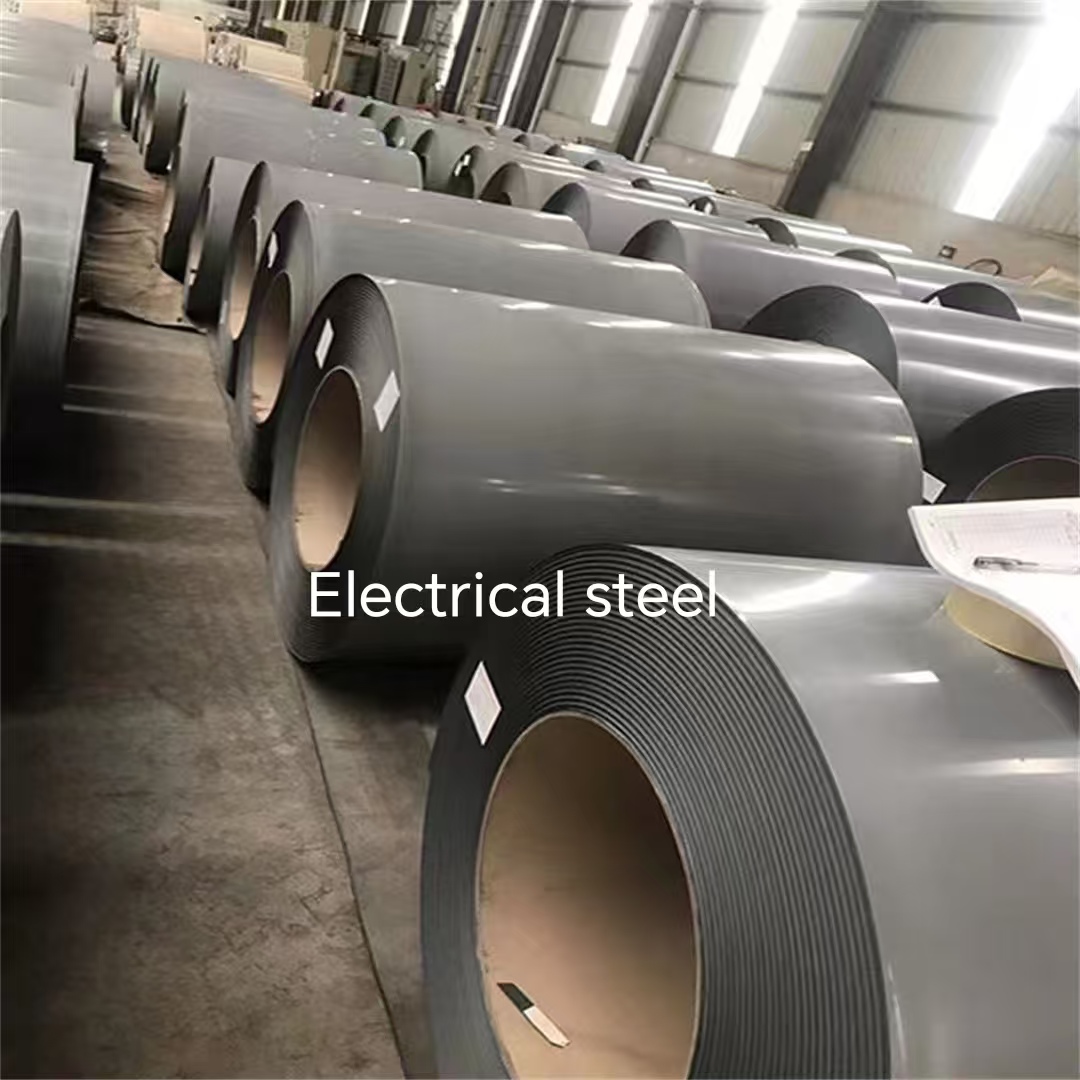
Lower iron loss is achieved by thinner gauges and higher-grade grain orientation — but flux density does not improve automatically.
Rank 1 — 18-65: 0.18 mm, ≤ 0.65 W/kg, ≥ 1.88 T
Thickness 0.18 mm · Iron loss P₁.₇/₅₀ ≤ 0.65 W/kg · Magnetic flux density B₈ ≥ 1.88 T · Ultra-high voltage transformers, power transformers and high-efficiency energy-saving transformer cores.
The thinnest and lowest-loss grade in the list. It wins wherever the no-load loss budget is the binding constraint — UHV transformers, high-efficiency energy-saving cores, and power transformers where every watt of core loss is carried for the life of the unit. It is not automatically the best choice where flux density headroom is tight, because two grades further down the list reach a higher B₈ figure.
Rank 2 — 20R070: 0.20 mm, ≤ 0.70 W/kg, ≥ 1.86 T
Thickness 0.20 mm · Iron loss P₁.₇/₅₀ ≤ 0.70 W/kg · Magnetic flux density B₈ ≥ 1.86 T · High-efficiency distribution transformers and power transformer cores.
A 0.20 mm gauge aimed at high-efficiency distribution transformers. Buyers should note the flux density figure: at ≥ 1.86 T it is the lowest value among the six grades ranked above 23Q100, so a design that is already tight on B₈ should check this grade before adopting it purely on its loss number.
Rank 3 — 23Q080: 0.23 mm, ≤ 0.80 W/kg (measured 0.76–0.78 W/kg), ≥ 1.89 T
Thickness 0.23 mm · Iron loss P₁.₇/₅₀ ≤ 0.80 W/kg, measured 0.76–0.78 W/kg · Magnetic flux density B₈ ≥ 1.89 T · Energy-efficient transformers, power transformers, reactors and high-power frequency converters.
This is the specification most buyers end up discussing first. It combines near-top loss performance with the highest flux density in the group (≥ 1.89 T), and its measured loss of 0.76–0.78 W/kg sits comfortably under the ≤ 0.80 W/kg limit. For high-efficiency power transformers, reactors and high-power converters — where core volume and loss both matter — it is the natural starting point of the shortlist.
Rank 4 — 23Q085: 0.23 mm, ≤ 0.85 W/kg, ≥ 1.88 T
Thickness 0.23 mm · Iron loss P₁.₇/₅₀ ≤ 0.85 W/kg · Magnetic flux density B₈ ≥ 1.88 T · HVDC converter transformers and high-efficiency power transformer cores.
Positioned one loss step below 23Q080 and used for high-voltage direct current converter transformers and efficient power transformer cores. It keeps the 3.0%–3.2% silicon base and controlled impurity profile of the higher ranks, which matters when a converter transformer specification has to be qualified document-by-document.
Rank 5 — 23Q090: 0.23 mm, ≤ 0.90 W/kg, ≥ 1.88 T
Thickness 0.23 mm · Iron loss P₁.₇/₅₀ ≤ 0.90 W/kg · Magnetic flux density B₈ ≥ 1.88 T · Industrial small and medium-sized transformers and power equipment cores.
The working grade for industrial small and medium transformers. It holds a ≥ 1.88 T flux density while relaxing the loss ceiling by 0.10 W/kg against 23Q080, which is where a large part of the commercial trade-off sits for volume-built industrial cores.
Rank 6 — 23Q095: 0.23 mm, ≤ 0.95 W/kg, ≥ 1.88 T
Thickness 0.23 mm · Iron loss P₁.₇/₅₀ ≤ 0.95 W/kg · Magnetic flux density B₈ ≥ 1.88 T · High-efficiency transformers, power equipment cores and motors.
One of the two grades in this set specified with silicon in the 2.5%–3.5% range rather than 3.0%–3.2%. Its application list extends beyond transformer cores to motors, which makes it the bridge grade between a transformer-only specification and a combined core and motor procurement.
Rank 7 — 23Q100: 0.23 mm, ≤ 1.00 W/kg, ≥ 1.75 T
Thickness 0.23 mm · Iron loss P₁.₇/₅₀ ≤ 1.00 W/kg · Magnetic flux density B₈ ≥ 1.75 T · Common distribution transformers, general industrial transformers and electromagnetic equipment.
The general-purpose grade at the foot of the ranking. Its ≥ 1.75 T flux density is the lowest in the group, and that — more than the loss figure — is why it sits last for high-efficiency designs while remaining a standard choice for common distribution transformers and general industrial equipment.
How to read the ranking correctly. Loss order and suitability order are not identical. 20R070 ranks second on iron loss but has a lower B₈ (≥ 1.86 T) than 23Q080 (≥ 1.89 T) and 23Q085/23Q090/23Q095 (≥ 1.88 T). On a flux-density-limited design, a later-ranked grade can produce a smaller, cooler or cheaper core than a higher-ranked one. Treat the ranking as a screening order, then confirm against the actual design constraint.
Step-by-Step: Matching a Grade to a Transformer Core
- Fix the core type and the loss budget first. Decide whether the core is for a distribution transformer, a power transformer, a converter transformer, a reactor or an industrial unit, and convert the guaranteed no-load loss figure into a maximum allowable W/kg at 1.7 T / 50 Hz. Without that number, grade selection is guesswork.
- Screen on thickness. If the loss budget is aggressive and the core window is fixed, start at the top of the list: 18-65 at 0.18 mm, then 20R070 at 0.20 mm. If the budget is moderate, begin at 23Q080 and work down through the 0.23 mm grades.
- Check flux density, not just loss. Confirm the B₈ figure against the design requirement. This is the step where 23Q080 (≥ 1.89 T) can overtake 20R070 (≥ 1.86 T), and where 23Q100 (≥ 1.75 T) is ruled out of high-efficiency designs early.
- Confirm process and coating fit. Verify that the gauge can be slit or cut to the required width, that the coating system survives the intended annealing or operating temperature, and that lamination factor and ductility meet the core-building method, as required by the property set in ASTM A876.
- Write the terms into the RFQ. State grade, thickness, maximum P₁.₇/₅₀, minimum B₈, coating type, width and tolerance, test method, sampling frequency and the documents that must travel with the goods.
- Validate before volume release. Confirm performance against a batch inspection report or third-party test before committing the balance of the order, then hold that reference for incoming inspection on subsequent lots.
Use Cases: Which Grade Fits Which Build
- Ultra-high voltage and high-efficiency energy-saving cores — 18-65, the 0.18 mm grade at ≤ 0.65 W/kg and ≥ 1.88 T.
- High-efficiency distribution and power transformers — 20R070 at 0.20 mm, ≤ 0.70 W/kg, ≥ 1.86 T.
- Reactors, high-power frequency converters and high-efficiency power transformers — 23Q080, the highest-B₈ grade in the set at ≥ 1.89 T with measured loss of 0.76–0.78 W/kg.
- HVDC converter transformers and efficient power transformer cores — 23Q085 at ≤ 0.85 W/kg, ≥ 1.88 T.
- Industrial small and medium transformers — 23Q090 at ≤ 0.90 W/kg, ≥ 1.88 T.
- High-efficiency transformers, power equipment cores and motors — 23Q095 at ≤ 0.95 W/kg, ≥ 1.88 T.
- Common distribution transformers, general industrial transformers and electromagnetic equipment — 23Q100 at ≤ 1.00 W/kg, ≥ 1.75 T.
Recent project files show why the grade table is a starting point rather than an answer. A German distribution transformer upgrade programme specified iron loss at ≤ 0.60 W/kg, noise 2–3 dB below the standard requirement, and a coating weather resistance matched to coastal salt-spray conditions. A Canadian cold-climate distribution project required stable excitation behaviour at −40 °C with a permeability retention rate of at least 95%, and a Brazilian ±800 kV HVDC converter project called for flux density of at least 1.92 T with iron loss below 0.85 W/kg. Requirements of this kind sit outside the nominal envelope of the seven grades above, and they have to be verified against mill test data rather than inferred from a grade name.
Comparison Table: Seven Hi-B Grades Side by Side
| Rank | Grade | Thickness | Iron loss P₁.₇/₅₀ (W/kg) | B₈ (T) | Typical core application |
|---|---|---|---|---|---|
| 1 | 18-65 | 0.18 mm | ≤ 0.65 | ≥ 1.88 | Ultra-high voltage, power and high-efficiency energy-saving transformer cores |
| 2 | 20R070 | 0.20 mm | ≤ 0.70 | ≥ 1.86 | High-efficiency distribution and power transformers |
| 3 | 23Q080 | 0.23 mm | ≤ 0.80 (measured 0.76–0.78) | ≥ 1.89 | Energy-efficient transformers, power transformers, reactors, high-power converters |
| 4 | 23Q085 | 0.23 mm | ≤ 0.85 | ≥ 1.88 | HVDC converter transformers, high-efficiency power transformer cores |
| 5 | 23Q090 | 0.23 mm | ≤ 0.90 | ≥ 1.88 | Industrial small and medium transformers, power equipment cores |
| 6 | 23Q095 | 0.23 mm | ≤ 0.95 | ≥ 1.88 | High-efficiency transformers, power equipment cores, motors |
| 7 | 23Q100 | 0.23 mm | ≤ 1.00 | ≥ 1.75 | Common distribution transformers, general industrial transformers, electromagnetic equipment |
Purchasing Terms and Acceptance Criteria: The Next Step
A grade name alone does not protect a buyer. What protects the buyer is the set of terms attached to it. HL AND SL LIMITED operates a 30,000 m² material processing plant with a monthly capacity of 4,000 T, supplying oriented silicon steel from stock and from production, with customization of thickness between 0.18 mm and 0.35 mm and widths typically 800–1250 mm, including an ultra-wide 1250 mm specification.
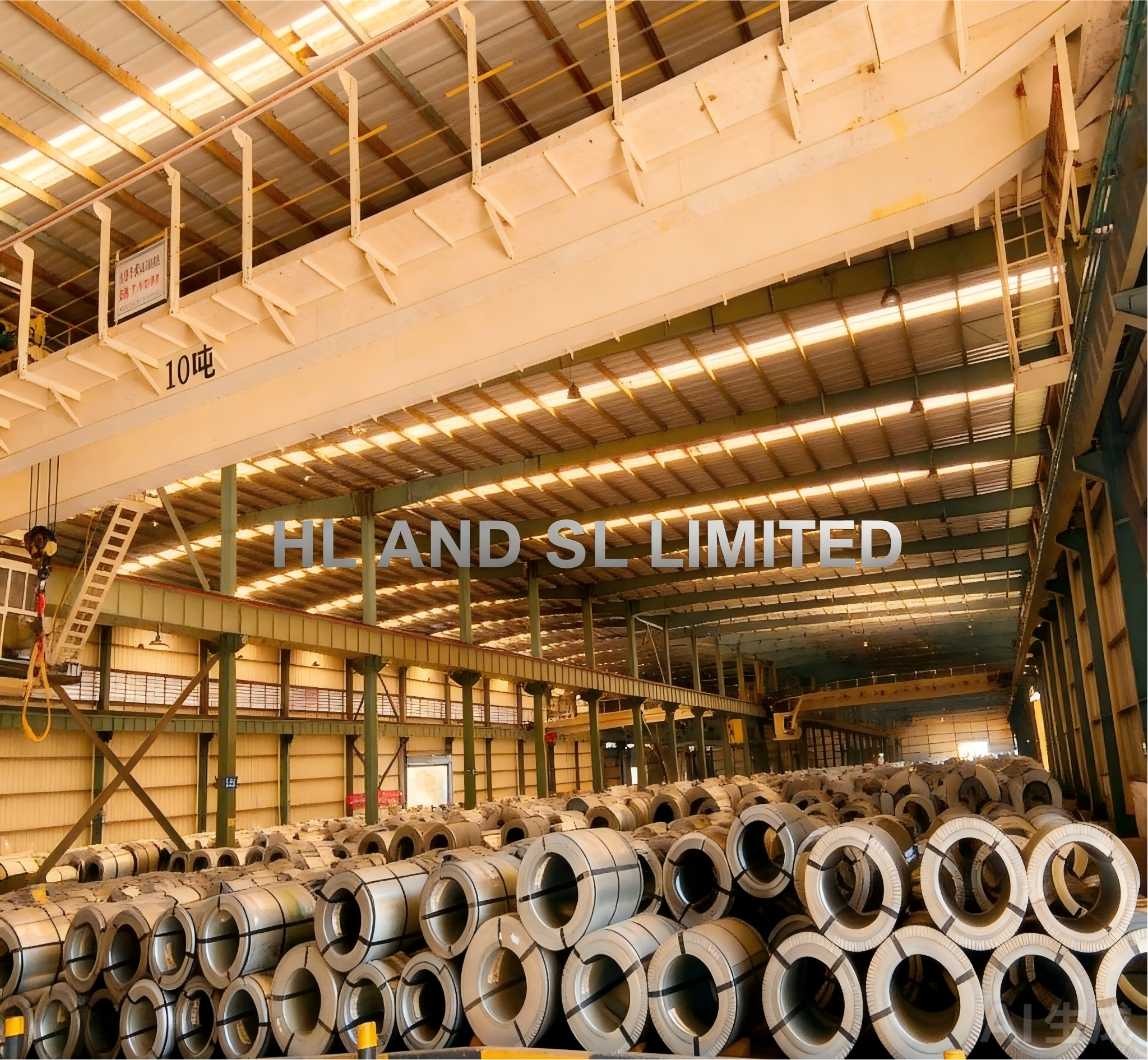
Grade selection is only half the decision — coil width, coating and inspection terms determine whether the material is usable on the line.
Coating options span organic coatings rated to ≤ 180 °C, inorganic coatings rated up to 800 °C, and semi-organic systems. Processing support covers strip slitting, fixed-length flat cutting and longitudinal cutting, with standard sea-worthy export packaging and logo or graphic customization. The minimum order quantity is 25 T.
Quality documentation follows a three-part structure: origin inspection at the plant with full-process random or batch inspection; a material certificate or warranty certificate with a batch inspection report travelling with the goods; and third-party testing through CMA/CNAS laboratories where the buyer requires it. After-sales response is handled within 1–3 working days, including inbound quality inspection disputes and re-inspection coordination.
An RFQ built around these grades should carry, at minimum:
- Grade designation plus thickness and width with tolerances.
- Maximum iron loss at 1.7 T / 50 Hz, and the test method used to verify it.
- Minimum magnetic flux density B₈, and the magnetizing force at which it is measured.
- Coating type and the temperature the coating must withstand.
- Lamination factor and ductility requirements, per the mechanical property set in ASTM A876.
- Inspection documents required at delivery — batch inspection report, material certificate, third-party report.
- Packaging standard, marking and any logo customization.
Frequently Asked Questions
Which standards should a Hi-B grain-oriented electrical steel order reference?
ASTM A876 covers flat-rolled, grain-oriented, fully processed low-carbon silicon-iron electrical steel intended primarily for transformer cores operating at moderate to high flux densities at commercial power frequencies. It requires conformity in magnetic properties (core loss, permeability and magnetic aging), dimensions, and mechanical properties such as lamination factor and ductility, and it recognises conventional, high-permeability and laser-scribed high-permeability grade categories. A purchase order should therefore specify grade, thickness, maximum P₁.₇/₅₀, minimum B₈, coating type and test method together, with a batch inspection report at delivery. Where a market requires CE or UL conformity, buyers should confirm with their compliance team whether the requirement attaches to the finished transformer or to the material itself, because the ASTM A876 scope addresses material properties rather than equipment marking.
Can Hi-B grades be supplied cut to width and coated for a specific core line?
Yes. Thickness can be customized between 0.18 mm and 0.35 mm, with widths typically 800–1250 mm including an ultra-wide 1250 mm option. Coating systems include organic coatings rated to ≤ 180 °C, inorganic coatings rated up to 800 °C, and semi-organic coatings. Processing covers strip slitting, fixed-length flat cutting and longitudinal cutting, and packaging can be customized with logos and graphics. Monthly capacity is 4,000 T, which is the figure to check against the delivery schedule of a multi-lot transformer programme.
What drives the cost difference between the seven grades?
Cost is driven mainly by position in the loss ranking, by gauge, by coating system, and by the amount of secondary processing — slitting, cut-to-length or stamping — that the order requires. A 0.18 mm grade at ≤ 0.65 W/kg carries more demanding rolling and handling than a 0.23 mm grade at ≤ 1.00 W/kg, and thinner material also raises yield risk on the buyer's punching line. The minimum order quantity is 25 T, and lead time varies by whether material is drawn from stock or production. Price levels are quoted per grade, gauge and coating against a specific specification, rather than published as a single list figure.
How can a buyer validate a grade before releasing a full order?
Validation runs on three documents. First, the origin inspection record, covering full-process random or batch inspection at the plant. Second, the material certificate or warranty certificate issued with a batch inspection report that travels with the goods. Third, third-party testing through CMA/CNAS laboratories where the specification or the buyer's qualification procedure requires independent confirmation. For buyers moving from one grade to another — for example from 23Q090 up to 23Q080 — a trial coil checked against the design loss figure is the practical way to confirm the change before committing volume.
What are the lead times for stock and production orders?
Regular orders are typically quoted at 15–20 days. Urgent or stock orders can ship in 3–7 days. Bulk export orders typically take 30–45 days to arrive at port, and production is scheduled at 7–30 working days after receipt of the deposit or letter of credit. Because grade availability differs between stock and production routes, the fastest way to fix a delivery date is to send the grade, thickness, width, coating and tonnage together as one enquiry.
Conclusion: Rank by Constraint, Then Confirm by Test
The seven-grade ranking gives transformer engineers and procurement teams a defensible starting order: 18-65 for the tightest loss budgets, 20R070 for high-efficiency distribution work, 23Q080 as the highest-flux-density option with near-top loss, 23Q085 for HVDC converter cores, 23Q090 for industrial small and medium transformers, 23Q095 for combined transformer and motor programmes, and 23Q100 for general distribution and industrial units. The ranking is a screening tool. The decision is made when the design constraint, the coating and process route, and the acceptance documents all line up on the same purchase order.
Next Step: Check a Grade Against Your Core Specification
Send the grade designation, thickness, width, coating requirement and target tonnage, and the team will confirm availability, lead time and the inspection documents that travel with the shipment. Minimum order quantity is 25 T and after-sales response is handled within 1–3 working days.
Email: sales-01@hlslind.com · Tel / WhatsApp: +86 134-6700-2282 · Website: www.hlslind.com
Download the full product catalogue with grade tables and processing options: HL AND SL LIMITED Electrical Steel Catalogue (PDF)

Have Questions or Need More Details?
Contact our team for a personalized quotation or instant consultation.
Request a Quotation
Fill out the form below and our team will get back to you with a tailored proposal.
WhatsApp Direct Chat
Prefer to chat in real-time? Message us on WhatsApp for instant assistance & quick answers.
- Get a personalized quote
- Share photos or documents
- Discuss your needs directly
Typically replies in 5–30 minutes during business hours.