Hi-B Electrical Steel Comparison Guide: 18-65 vs 20R070 vs 23Q Series for Transformers
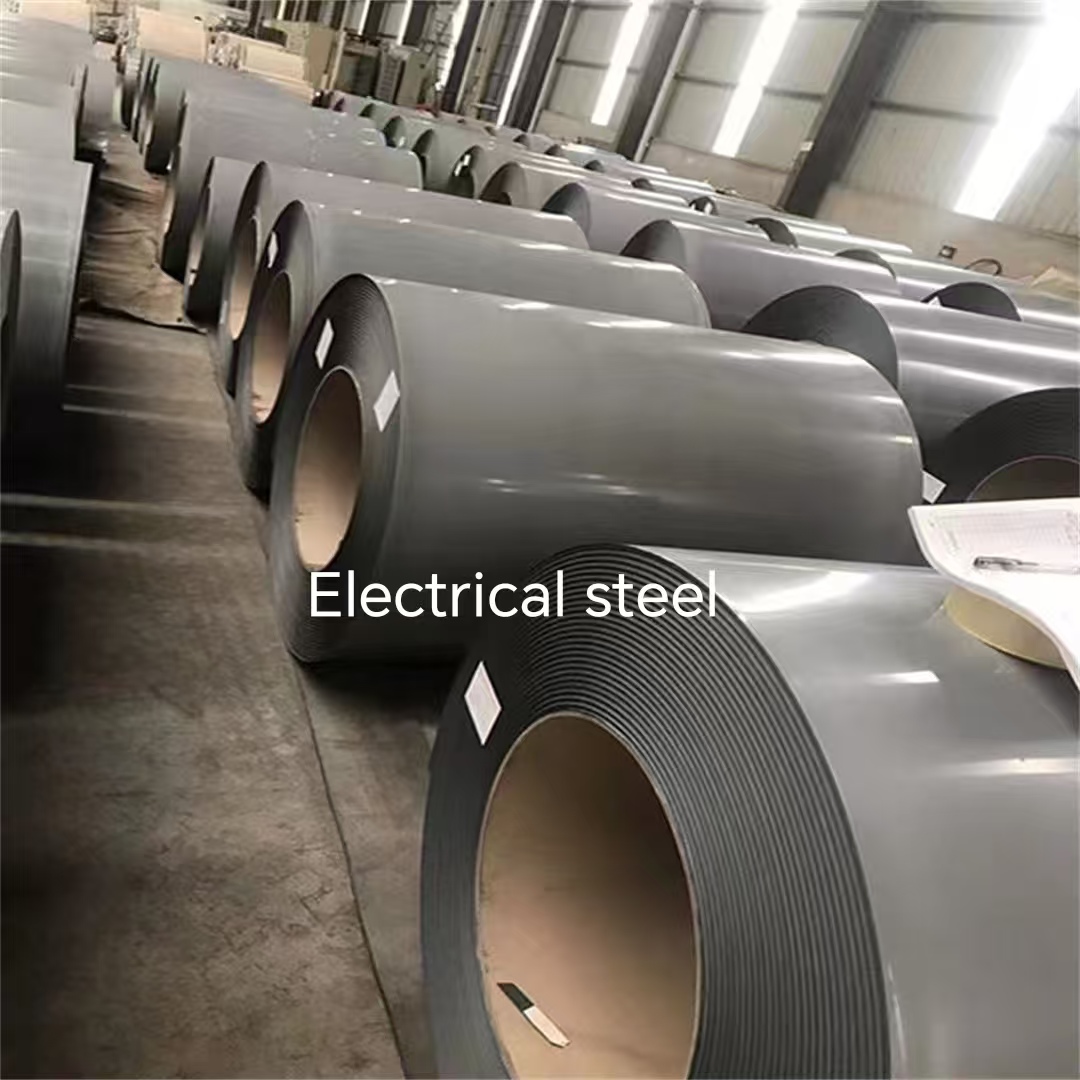
Cover: Hi-B grain-oriented silicon steel supplied by HL AND SL LIMITED for transformer and motor cores.
Hi-B grain-oriented silicon steel is specified with three numbers that have to agree with each other and with the core design: nominal thickness, guaranteed maximum iron loss (P1.7/50), and guaranteed minimum magnetic flux density (B8). The grades compared in this guide — 18-65, 20R070, and the 0.23 mm 23Q series (23Q080, 23Q085, 23Q090, 23Q095 and 23Q100) — all belong to the same high magnetic induction grain-oriented (Hi-B) family, but they are not interchangeable inside a finished transformer or motor.
The headline comparison: 18-65 is the thinnest and lowest-loss grade in this set at 0.18 mm and ≤0.65 W/kg; 20R070 steps up to 0.20 mm at ≤0.70 W/kg; and the 23Q series holds thickness at 0.23 mm while moving guaranteed iron loss from ≤0.80 W/kg (23Q080) to ≤1.00 W/kg (23Q100) — the thickness most core lines are already tooled to run.
The rest of this guide converts those numbers into selection rules: which grade supports ultra-high voltage and HVDC converter transformers, which one fits distribution transformers and industrial equipment, where motors fit, and which parameters must be confirmed in writing before a 25-tonne order moves.
Why the Grade Decision Is Really a Thickness-and-Loss Decision
For a transformer core, loss and magnetisation are the two constraints that decide everything else. No-load loss depends mainly on the iron loss of the strip. Excitation current and the amount of copper needed depend on how much flux the strip carries at a given field, which is what B8 expresses. Thickness sits between the two: within the same Hi-B family, thinner strip generally reduces the eddy-current component of core loss, which is why 0.18 mm material sits at the top of the loss ladder.
Three counterweights keep the thinnest grade from being the automatic answer:
- Thin strip is more demanding to slit, flatten and stack, and it generally produces a slightly lower stacking factor, so build height and clamping pressure need review.
- A lower B8 value requires more core cross-section or more turns for the same flux. In this comparison, 20R070 carries B8 ≥1.86 T and 23Q100 carries ≥1.75 T, while 23Q080 carries ≥1.89 T — a gap that matters in core design, not only on a datasheet.
- The grade number is a guaranteed limit, not a measured average. 23Q080, for example, is guaranteed at ≤0.80 W/kg with measured values in the 0.76–0.78 W/kg range. Designing to the guaranteed ceiling is safe; designing to the measured value is not.
That is the whole comparison problem in one sentence: match thickness, guaranteed iron loss and guaranteed flux density to the project, then confirm the mill can deliver that exact grade in the required cut format.
Market Context for Hi-B Grade Selection in 2026
Global demand for electrical steel was valued at USD 31.0 billion in 2025 and is projected to reach USD 47.0 billion by 2033, a compound annual growth rate of 5.5% over 2026–2033 (Grand View Research). Base-year figures differ substantially between research firms because they define the product scope differently, so the direction of growth is a more reliable planning signal than any single base number.
The supply side has moved in the same direction. China produced 16.1 million tonnes of electrical steel in 2024, a 5.4% year-on-year increase (Chinese Society for Metals, cited by MarketReportsWorld), and China's grain-oriented electrical steel export volume reached 393,200 mt in the first half of 2025, up 16.0% year on year (SMM). For a transformer manufacturer, that export growth is what makes grade-level comparison practical: more than one mill can now be quoted against the same specification.
The three largest global producers of high-grade electrical steel are Baosteel (China Baowu), POSCO and Nippon Steel (MarketsandMarkets). Access to that supply base usually runs through authorized channels. HL AND SL LIMITED is an authorized agent of China Baowu Steel Group and also integrates export resources from multiple private mills, which is how grades across different performance and price bands are matched to a single project.
Not all of the growth sits in grain-oriented material. Non-grain oriented electrical steel for automotive applications, mainly electric vehicles, accounted for over 34% of total demand in 2024 (Precedence Research). Those are a different product family from the Hi-B grades compared here, and the split matters: motor lamination demand and transformer core demand pull different thickness and loss classes.
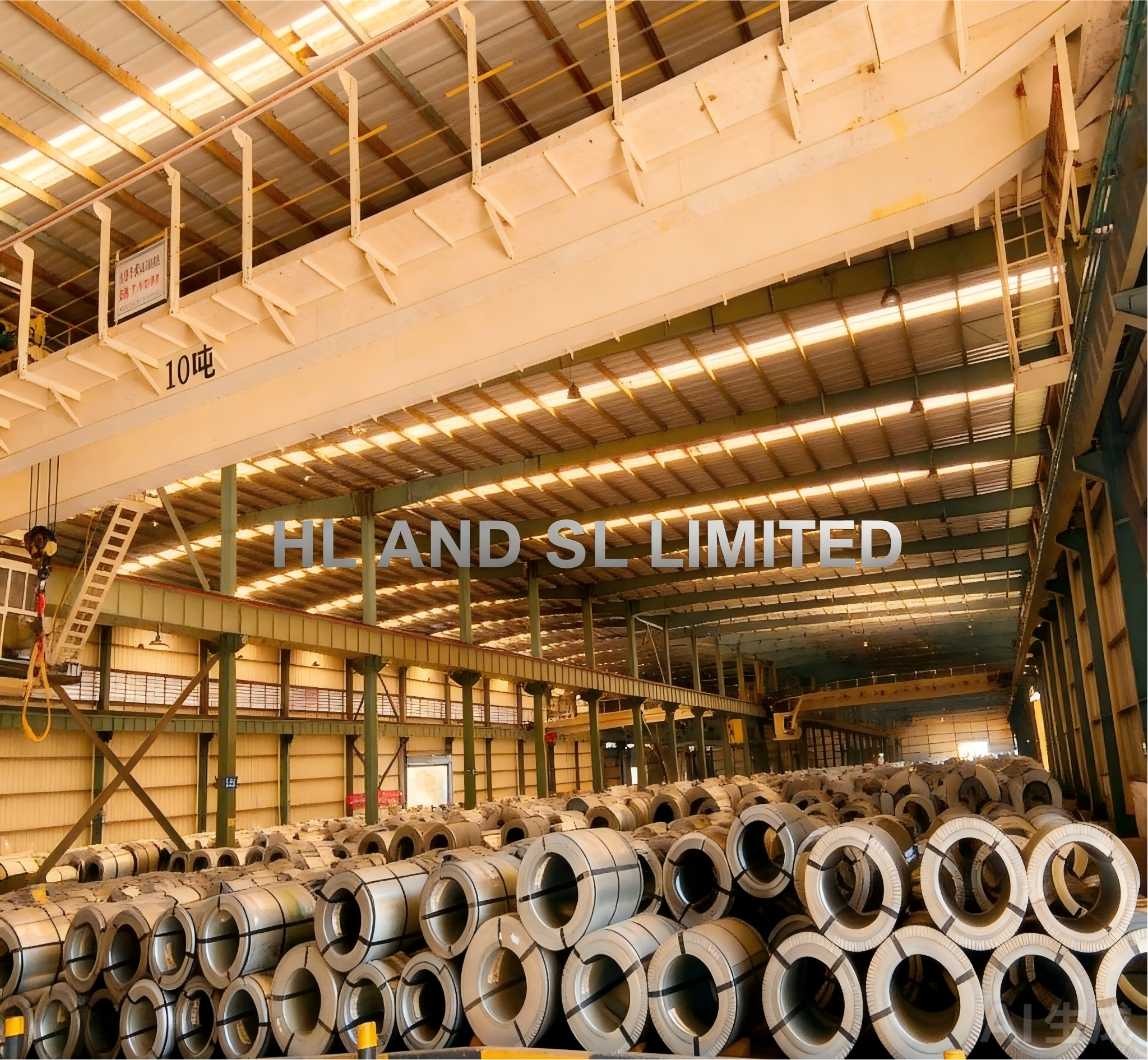
HL AND SL LIMITED supplies Hi-B grain-oriented silicon steel from China Baowu Steel Group channels and private mill resources.
The Three Grade Families in This Comparison
18-65: 0.18 mm, ≤0.65 W/kg, B8 ≥1.88 T
18-65 is a Hi-B grade supplied at 0.18 mm nominal thickness with a guaranteed iron loss of ≤0.65 W/kg and a guaranteed magnetic flux density of ≥1.88 T. Its specified applications are ultra-high voltage transformers, power transformers and high-efficiency energy-saving transformer cores. The chemistry is a low-carbon grain-oriented composition: iron with roughly 3.0%–3.2% silicon, plus Al and Mn additions, with C, S and N impurities strictly controlled.
20R070: 0.20 mm, ≤0.70 W/kg, B8 ≥1.86 T
20R070 moves the thickness to 0.20 mm and the guaranteed iron loss to ≤0.70 W/kg, with B8 ≥1.86 T. Its specified applications are high-efficiency distribution transformers and power transformer cores. Note the flux density: 1.86 T is the lowest guaranteed B8 among the thin grades in this comparison, so a core designed around 18-65 should not be re-tuned to 20R070 without rechecking the magnetisation requirement.
The 23Q Series: 0.23 mm from ≤0.80 to ≤1.00 W/kg
All five 23Q grades share the same 0.23 mm thickness and differ in guaranteed loss class and, in one case, in flux density:
- 23Q080 — ≤0.80 W/kg guaranteed, with measured values of 0.76–0.78 W/kg, and B8 ≥1.89 T, the highest flux density in this comparison. Specified for energy-efficient transformers, power transformers, reactors and high-power frequency converters.
- 23Q085 — ≤0.85 W/kg and B8 ≥1.88 T. Specified for high-voltage direct current (HVDC) converter transformers and high-efficiency power transformer cores.
- 23Q090 — ≤0.90 W/kg and B8 ≥1.88 T. Specified for industrial small and medium-sized transformers and power equipment cores.
- 23Q095 — ≤0.95 W/kg and B8 ≥1.88 T. Specified for high-efficiency transformers, power equipment cores and motors, with a silicon content of 2.5%–3.5%.
- 23Q100 — ≤1.00 W/kg and B8 ≥1.75 T. Specified for common distribution transformers, general industrial transformers and electromagnetic equipment.
The practical reading of the 23Q ladder is that a buyer can hold thickness constant and buy loss performance in roughly 0.05 W/kg steps. Flux density stays at ≥1.88 T or better through 23Q095 and then drops to ≥1.75 T at 23Q100 — so 23Q100 is the least demanding class in the series and should be chosen when the core design can live with the lower B8, not simply because it carries the lowest cost position in the family.
What Stays the Same Across All Hi-B Grades
Across the grades in this comparison, the base chemistry is consistent: iron with silicon as the main alloying element, Al and Mn additions, and tightly controlled C, S and N. Material customisation at HL AND SL LIMITED covers the general-orientation CGO range, high magnetic flux Hi-B grades, laser-engraved R series material and heat-resistant HS series material, so the grade decision sits inside a wider material menu rather than being an isolated choice.
Side-by-Side Hi-B Grade Comparison
| Grade | Thickness | Iron loss P1.7/50 (guaranteed) | Magnetic flux density B8 | Specified applications |
|---|---|---|---|---|
| 18-65 | 0.18 mm | ≤0.65 W/kg | ≥1.88 T | Ultra-high voltage transformers, power transformers, high-efficiency energy-saving transformer cores |
| 20R070 | 0.20 mm | ≤0.70 W/kg | ≥1.86 T | High-efficiency distribution transformers, power transformer cores |
| 23Q080 | 0.23 mm | ≤0.80 W/kg (measured 0.76–0.78 W/kg) | ≥1.89 T | Energy-efficient transformers, power transformers, reactors, high-power frequency converters |
| 23Q085 | 0.23 mm | ≤0.85 W/kg | ≥1.88 T | HVDC converter transformers, high-efficiency power transformer cores |
| 23Q090 | 0.23 mm | ≤0.90 W/kg | ≥1.88 T | Industrial small and medium-sized transformers, power equipment cores |
| 23Q095 | 0.23 mm | ≤0.95 W/kg | ≥1.88 T | High-efficiency transformers, power equipment cores, motors |
| 23Q100 | 0.23 mm | ≤1.00 W/kg | ≥1.75 T | Common distribution transformers, general industrial transformers, electromagnetic equipment |
All figures are guaranteed values from HL AND SL LIMITED product specifications for Hi-B grain-oriented silicon steel; 23Q080 additionally carries a measured iron loss range of 0.76–0.78 W/kg.
Matching Each Grade to a Verified Application
Ultra-high voltage and large power transformers. 18-65 is the grade specified for ultra-high voltage transformers, power transformers and high-efficiency energy-saving transformer cores. At ≤0.65 W/kg with B8 ≥1.88 T, it combines the lowest guaranteed loss in this set with a flux density that matches the other thin grades, which is the combination large power transformer cores are generally specified around.
HVDC converter transformers. 23Q085 is the grade in this comparison explicitly specified for high-voltage direct current converter transformers, alongside high-efficiency power transformer cores. HVDC specifications are usually written at project level rather than at grade level, and the difference is significant: one ±800 kV HVDC project in Belém, Brazil, specified oriented silicon steel for converter transformer cores with a flux density of at least 1.92 T and iron loss below 0.85 W/kg. The lesson for buyers is procedural — always compare the project specification sheet line by line against the grade's guaranteed value, because a grade name alone does not prove compliance.
Distribution transformers. Three grades cover this segment at different performance levels. 20R070 serves high-efficiency distribution transformers and power transformer cores; 23Q080 serves energy-efficient transformers and power transformers; and 23Q100 serves common distribution transformers. A utility or OEM working to a given efficiency class should start from the no-load loss limit in the standard and then select the highest-loss grade that still clears it with margin.
Industrial and small/medium transformers, reactors and converters. 23Q090 is specified for industrial small and medium-sized transformers and power equipment cores. 23Q080 covers reactors and high-power frequency converters in addition to transformers. 23Q100 covers general industrial transformers and electromagnetic equipment where the loss class is not the binding constraint.
Motors and rotating equipment. 23Q095 is the grade in this comparison specified for motors as well as high-efficiency transformers and power equipment cores, with B8 ≥1.88 T and iron loss ≤0.95 W/kg. Motor and generator buyers working with grain-oriented strip usually need the narrow cut formats and stacking accuracy described later in this guide rather than a different loss class.
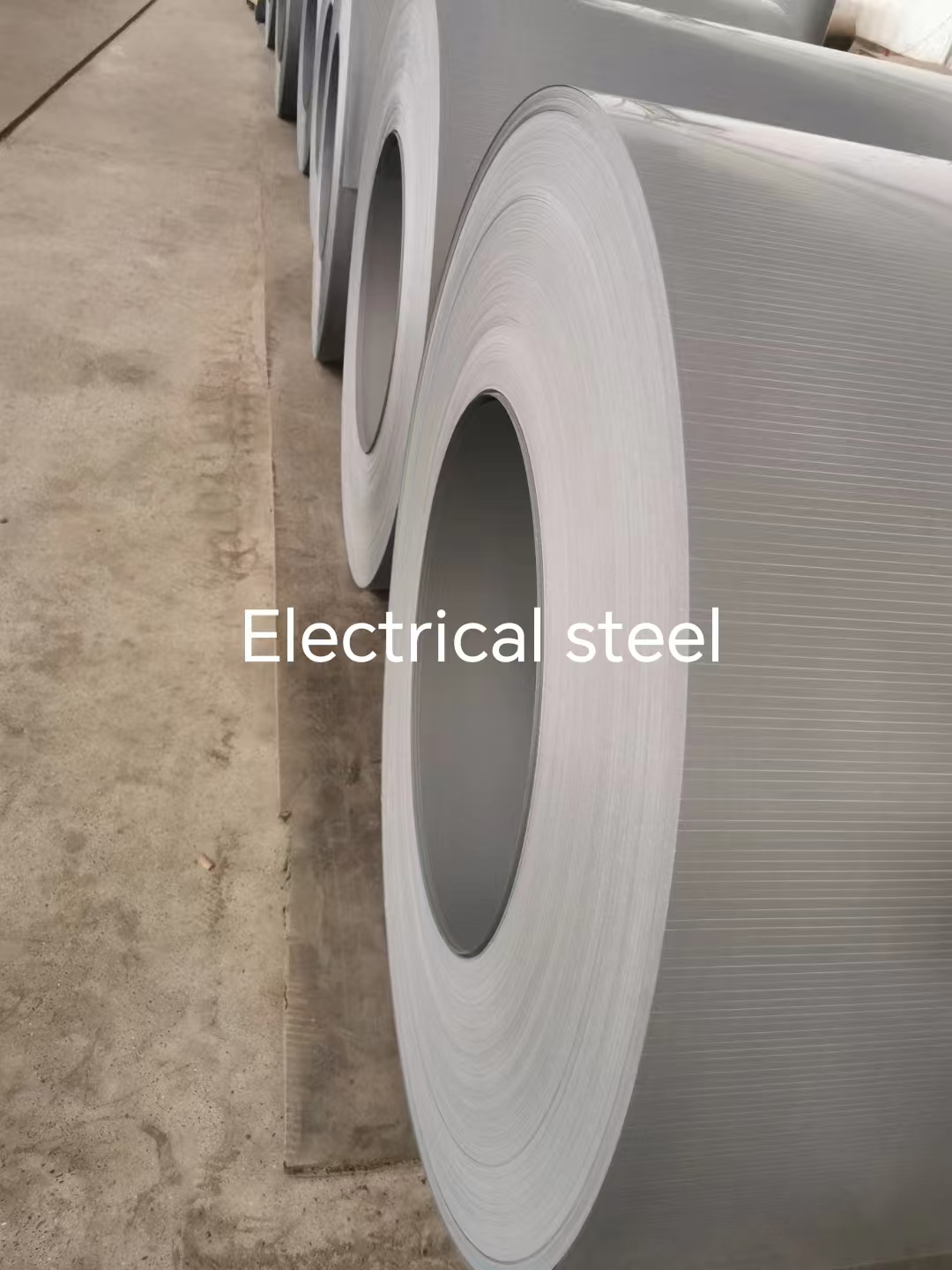
The same 0.23 mm Q-series platform serves distribution transformers, industrial transformers and motors, with loss class matched to the project limit.
Evidence from long-running supply. The grades above are not theoretical for this supplier. A transformer manufacturer in Mexico, with an annual business scale of approximately USD 500 million, has been supplied in batches for the manufacturing of cores for power transformers, converter transformers and special engineering transformers for over ten years of verified operation. WEG in Brazil has also used this material in local production of power and distribution transformers for more than ten years, supporting compliance with INMETRO energy efficiency requirements in the region. Third-party shipment records (Export Genius) list HL AND SL LIMITED exporting grain-oriented silicon steel under HS 72261101 to markets including Mexico and Sri Lanka.
Step-by-Step: How to Shortlist and Confirm a Hi-B Grade
- Fix the electrical constraint first. Write down the no-load loss limit the design must meet, the flux density the core needs, and the operating frequency. Grade selection follows from these three numbers, not from a preferred brand or a previous project's bill of materials.
- Translate the loss limit into a grade class. Compare the guaranteed P1.7/50 value, not a measured value. 18-65 (≤0.65 W/kg), 20R070 (≤0.70 W/kg) and 23Q080 (≤0.80 W/kg) sit at the low-loss end of this set; 23Q100 (≤1.00 W/kg) sits at the practical end.
- Check B8 against the core design. If the design assumes B8 ≥1.88 T, then 23Q100 at ≥1.75 T and 20R070 at ≥1.86 T require a recheck of core cross-section. 23Q080 at ≥1.89 T gives the most headroom in this comparison.
- Match thickness to the core-building process. 0.18 mm material places higher demands on slitting and stacking than 0.23 mm material. If the line is set up for 0.23 mm, the 23Q series keeps the process unchanged while still allowing loss performance to be tuned by grade.
- Confirm coating and temperature exposure. Available coating options include organic coating rated to ≤180°C, inorganic coating rated up to 800°C, and semi-organic coatings. Stress-relief annealing or high-temperature processing should be matched to the coating, not decided afterwards.
- Confirm the delivered format. Thickness availability runs from 0.18 mm to 0.35 mm, with widths typically 800–1250 mm and the option of ultra-wide 1250 mm. Processing includes strip cutting, fixed-length flat cutting and longitudinal cutting, so the grade should be ordered in the cut format the core line actually consumes.
- Validate with documents and a sample lot. Origin inspection covers full-process random and batch inspection; batch inspection reports are issued with the goods as a material certificate or warranty certificate; third-party testing through CMA/CNAS labs is available where a project requires it.
- Lock the commercial frame. The minimum order quantity is 25T, monthly capacity is 4000T, and lead time depends on the order mode — confirm these before the grade is frozen in the core drawing.
Where Thin Gauge Pays Back — and Where It Does Not
Thinner Hi-B strip is not automatically the better purchase. It pays back where no-load loss dominates the total cost of ownership, where the transformer is energised continuously, and where a specified efficiency class forces the loss number down. That is the territory of 18-65 and, in most cases, of the lower-loss 23Q grades.
It pays back less where the core design already has margin, where the extra loss headroom is never monetised, or where the processing line cannot hold the tolerances that thin strip requires. In those cases, the same 0.23 mm thickness can be held and the loss class selected to match the actual requirement — 23Q080 where flux density and low loss both matter, 23Q100 where they do not.
Two boundary conditions are worth stating plainly. First, the guarantee is a ceiling: a grade specified at ≤0.80 W/kg is compliant at 0.79 W/kg, and 23Q080's measured 0.76–0.78 W/kg range is typical performance, not a contractual limit. Second, project specifications can be tighter than any single grade value — the HVDC example above required ≥1.92 T flux density and iron loss below 0.85 W/kg. In that situation the correct action is to request a grade that meets the stated minimum, not to assume a similarly named grade qualifies.
Supply, Processing and Quality Constraints to Confirm Before Ordering
Once the grade is chosen, the constraints that decide whether the order runs on schedule are commercial and operational rather than magnetic:
- Quantity and capacity. Minimum order quantity is 25T, against a monthly capacity of 4000T. Blending several 0.23 mm grades into one programme is feasible where the total quantity supports it.
- Lead time by order mode. Regular orders run 15–20 days; urgent or stock orders ship in 3–7 days; bulk export orders take 30–45 days to arrive at port; after deposit or letter of credit, production runs 7–30 working days.
- Quality documentation. Origin inspection at the factory covers full-process random inspection and batch inspection, and batch inspection reports travel with the goods. Third-party CMA/CNAS testing can be arranged for projects that require it.
- Packaging and identity. Standard export sea-worthy packaging is used by default, with logo and graphic customisation available so coils arriving on site are traceable to the correct grade.
- After-sales route. Lifecycle technical guidance and application support are provided, inbound quality inspection disputes are handled through re-inspection, and feedback is answered within 1–3 working days with closed-loop handling.
One compliance clarification belongs here as well. The two standards most often attached to electrical steel specifications in this market — IEC 60404-8-4 and ASTM A677 — address cold-rolled non-oriented electrical steel strip and sheet. They apply when a project also buys non-oriented grades, but they are not the reference documents for the grain-oriented Hi-B grades compared here. For Hi-B grades, verification runs through the mill's inspection certificate and, where required, third-party testing.
FAQ: Hi-B Grade Selection for Transformers and Motors
Which standards and documents should be verified before accepting a Hi-B coil?
For the grain-oriented Hi-B grades in this comparison, verification should run through the mill's batch inspection report or material certificate issued with the goods, and through third-party CMA/CNAS testing where the project requires independent confirmation. Note that IEC 60404-8-4 and ASTM A677, which are commonly cited in electrical steel procurement, specify properties of cold-rolled non-oriented electrical steel strip and sheet rather than grain-oriented grades, so they are not the correct reference for 18-65, 20R070 or the 23Q series.
Can 18-65 and the 23Q grades be supplied cut to the width and length a core line needs?
Yes. HL AND SL LIMITED operates an in-house material processing plant and supplies oriented silicon steel with specification customisation covering thickness from 0.18 mm to 0.35 mm and widths typically 800–1250 mm, including an ultra-wide 1250 mm option. Processing services include strip cutting, fixed-length flat cutting and longitudinal cutting, and coating can be selected as organic (≤180°C), inorganic (up to 800°C) or semi-organic, with export packaging and logo customisation available.
What drives the cost difference between 18-65, 20R070 and the 23Q grades?
Cost is driven by the performance class rather than by thickness alone: lower guaranteed iron loss and higher guaranteed flux density sit at the higher end of the range, while higher loss classes such as 23Q100 sit at the more economical end. Coating type, cut-to-length processing and packaging, order quantity against the 25T minimum order quantity, and the chosen lead-time mode all affect the commercial outcome. Because HL AND SL LIMITED integrates export resources from China Baowu Steel Group channels and multiple private mills, grades across different performance and price bands can be matched to a single project, and a specification-matched quotation can be issued once the grade, thickness, width, coating and quantity are fixed.
How should a transformer manufacturer validate a grade before a production order?
Validate at three levels. First, confirm the guaranteed values on paper — thickness, P1.7/50 and B8 — against the project specification. Second, request a sample lot of the exact grade, thickness, width and coating and check the measured iron loss against the guaranteed ceiling rather than against a typical value; 23Q080, for example, is guaranteed at ≤0.80 W/kg with measured values of 0.76–0.78 W/kg. Third, confirm the documentation path: batch inspection reports supplied with the goods, plus third-party CMA/CNAS testing if the project requires it. Long-running supply references for this material include a transformer manufacturer in Mexico supplying power, converter and special engineering transformer cores for over ten years, and WEG in Brazil using the material in local power and distribution transformer production for more than ten years.
What are the minimum order quantity and lead times for Hi-B grades?
The minimum order quantity is 25T. Regular orders are produced and shipped in 15–20 days; urgent or stock orders ship in 3–7 days; bulk export orders take 30–45 days to arrive at port; and after deposit or letter of credit, production runs 7–30 working days. Monthly capacity is 4000T, which allows multi-grade programmes to be scheduled together. To move from comparison to a firm offer, send the grade, thickness, width, coating, cut format and quantity to sales-01@hlslind.com or message +86 134-6700-2282 on WhatsApp, and a specification-matched quotation will be prepared against the parameters in this guide.
Conclusion: Choosing Between 18-65, 20R070 and the 23Q Series
The comparison resolves into a short decision rule. Where the transformer is energised continuously and the loss limit is the binding constraint, 18-65 at 0.18 mm and ≤0.65 W/kg is the grade specified for ultra-high voltage and power transformer cores. Where the requirement is high-efficiency distribution or power transformers at 0.20 mm, 20R070 at ≤0.70 W/kg with B8 ≥1.86 T is the fit. Where the line is built for 0.23 mm, the 23Q series lets thickness stay fixed while loss class moves from ≤0.80 W/kg to ≤1.00 W/kg — 23Q085 for HVDC converter transformers and high-efficiency power transformer cores, 23Q090 for industrial small and medium transformers, 23Q095 for motors and high-efficiency transformers, and 23Q100 for common distribution and general industrial transformers. 23Q080 is the balance point of the series, with the highest flux density in this comparison at B8 ≥1.89 T and a measured loss range of 0.76–0.78 W/kg against a ≤0.80 W/kg guarantee.
Whichever grade the project selects, three checks decide whether the choice holds: confirm B8 against the core design rather than the grade name, confirm the coating against the process temperature, and confirm the order format, quantity and lead time against the delivery plan.
Next Step: Compare Grades Against Your Specification
HL AND SL LIMITED supplies Hi-B grain-oriented silicon steel — including 18-65, 20R070 and the full 23Q series — with in-house processing, OEM and ODM support, and a 25T minimum order quantity against 4000T monthly capacity. Founded in 2012 and operating a 30,000 m² facility, the company exports to markets including Mexico, Brazil, Italy, the UAE and India.
Send your grade, thickness, width, coating and quantity to sales-01@hlslind.com or WhatsApp +86 134-6700-2282 for a sample request or specification-matched quotation. Download the product brochure here: HL AND SL LIMITED Electrical Steel Brochure (PDF). More technical resources are available at www.hlslind.com.
HL AND SL LIMITED · Shantou Qingyuncheng, Jiankang South Street, Jinyuan District, Taiyuan City, Shanxi Province, China · Contact: Lucas

Contact HL AND SL LIMITED for grade-level samples, quotations and technical support on Hi-B electrical steel.
Have Questions or Need More Details?
Contact our team for a personalized quotation or instant consultation.
Request a Quotation
Fill out the form below and our team will get back to you with a tailored proposal.
WhatsApp Direct Chat
Prefer to chat in real-time? Message us on WhatsApp for instant assistance & quick answers.
- Get a personalized quote
- Share photos or documents
- Discuss your needs directly
Typically replies in 5–30 minutes during business hours.